


The Rise of Personal Agentic AI: How to Build Your Own Digital Double in 2026
Artificial intelligence has evolved far beyond answering questions or generating text. In 2026, the spotlight has shifted to Agentic AI, a new generation of intelligent systems capable of planning, reasoning, and completing tasks with minimal human input. Unlike traditional AI assistants that wait for commands, these autonomous systems can make decisions, interact with software, and execute complex workflows on your behalf.
What was once limited to large enterprises is now becoming accessible to freelancers, entrepreneurs, students, and professionals. Personal AI agents are helping users manage emails, organize schedules, conduct research, and automate repetitive work. The result is a digital assistant that behaves more like a trusted teammate than a chatbot.
If you’re new to artificial intelligence, it’s helpful to understand the basics before exploring autonomous AI systems. You can start with our guides:
In this guide, you’ll learn what Agentic AI is, what a digital double means, and how you can build your own personal AI agent to boost productivity in 2026.
From AI Assistants to Agentic AI
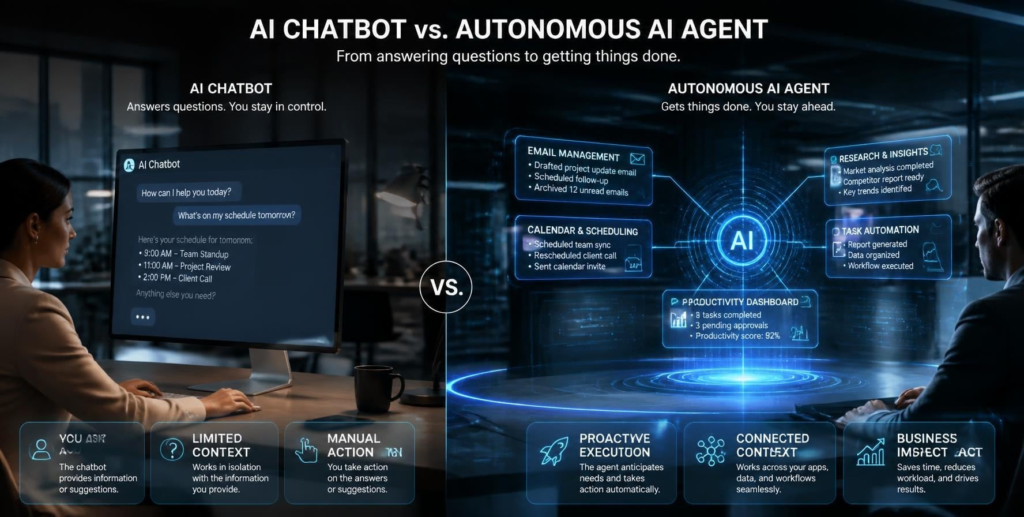
Most people are familiar with AI assistants. They respond when asked a question, generate content, or help solve a problem. Their interaction is reactive because they rely on user prompts.
Agentic AI takes this concept much further. Instead of waiting for instructions at every step, it can:
- Plan a sequence of actions.
- Use multiple tools together.
- Make decisions based on predefined rules.
- Complete tasks with limited supervision.
- Learn from previous interactions.
For example, instead of simply drafting an email, an Agentic AI system could organize your inbox, identify priority messages, prepare replies, schedule follow-ups, and remind you about unanswered conversations.
This shift is changing how individuals work and manage their daily responsibilities.
What Is a Digital Double?
A digital double is a personalized AI agent designed to perform tasks in a way that reflects your preferences, routines, and goals. Think of it as a virtual version of yourself that can handle repetitive work while you focus on higher-value activities.
A personal AI agent may help with:
- Managing your calendar.
- Organizing emails.
- Summarizing lengthy documents.
- Conducting online research.
- Tracking project deadlines.
- Preparing meeting notes.
- Creating task lists.
- Monitoring industry news.
Rather than replacing human decision-making, a digital double acts as a productivity partner that saves time and reduces routine workload.
My Experience Building a Personal AI Agent
To understand how practical Agentic AI has become, I experimented with creating a simple personal AI workflow focused on daily productivity.
The first goal wasn’t to automate everything. Instead, I selected repetitive tasks that consumed valuable time every day.
I configured the agent to collect important emails, summarize articles from trusted technology sources, organize daily priorities, and generate a morning task overview.
Within a short period, I noticed several improvements.
Instead of spending the first hour of the day sorting through notifications, I started with a concise summary highlighting urgent messages and scheduled tasks. Research that previously required opening multiple websites became significantly faster because the information was already organized into a readable report.
The biggest benefit wasn’t that AI replaced my work. It removed repetitive administrative tasks, allowing me to spend more time on writing, planning, and decision-making.
That experience demonstrated the true value of Agentic AI. It works best as an intelligent assistant rather than a replacement for human judgment.
How to Build Your Own Personal AI Agent
Creating a personal AI agent is becoming increasingly straightforward thanks to modern low-code and no-code platforms.

Step 1: Define Your Goal
Start with a single objective.
Examples include:
- Organizing your inbox.
- Managing appointments.
- Summarizing news.
- Tracking project updates.
- Creating daily productivity reports.
A focused objective produces better results than attempting to automate everything at once.
Step 2: Connect Your Data
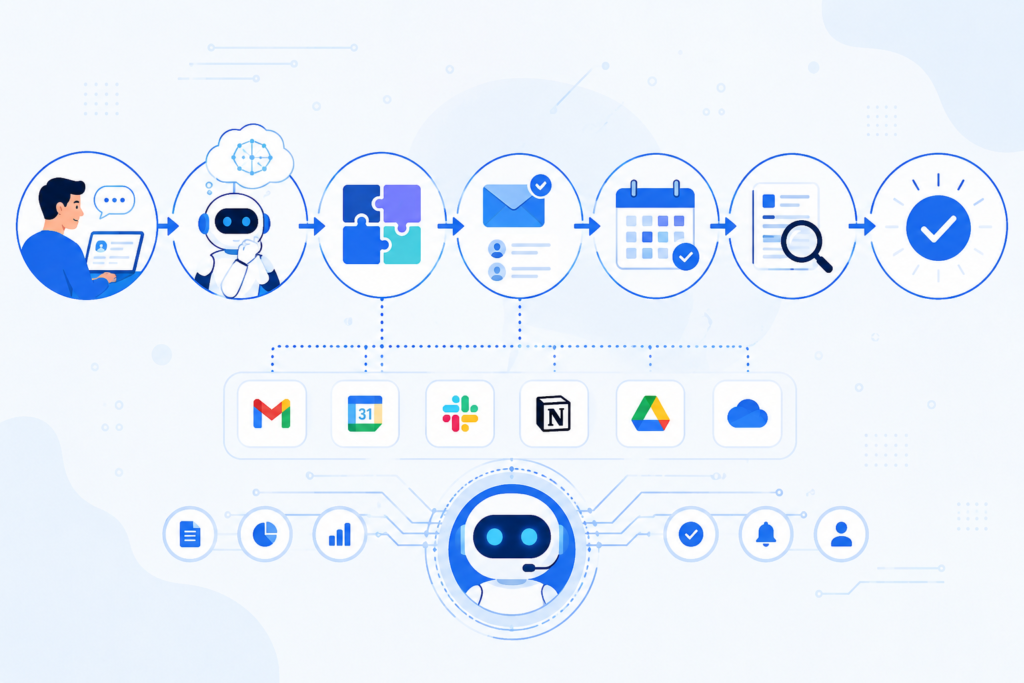
Your AI agent needs access to the information required to complete tasks.
Depending on your needs, this may include:
- Email accounts.
- Calendar applications.
- Cloud storage.
- Note-taking software.
- Task management tools.
Only connect trusted services and review the permissions you grant.
Step 3: Build the Workflow
Create a logical sequence of actions.
For example:
- Check new emails every morning.
- Filter important conversations.
- Generate concise summaries.
- Add meetings to the calendar.
- Prepare a daily priority list.
Simple workflows are easier to maintain and improve over time.
Step 4: Add Safety Rules
Autonomous AI should always operate within clear boundaries.
Consider rules such as:
- Never send emails without approval.
- Avoid deleting files automatically.
- Request confirmation before making purchases.
- Keep sensitive information private.
These safeguards help maintain control while still benefiting from automation.
To learn more about responsible AI development and best practices, explore OpenAI:
https://openai.com
You can also stay updated on the latest AI research and innovations through Google AI:
https://ai.google
Step 5: Test and Improve
No AI agent is perfect from day one.
Monitor how it performs, identify mistakes, and gradually refine the workflow. Small adjustments often produce significant improvements over time.
The Future of Personal Automation
Agentic AI is expected to become even more capable over the next few years. Personal AI agents may coordinate with multiple specialized agents to handle finance, travel planning, education, customer support, and business operations.
As autonomous systems become more common, transparency will become increasingly important. The concept of digital provenance, which identifies whether content or actions were created by humans or AI, is likely to play a major role in maintaining trust online.
The future is not about replacing people. It’s about giving individuals intelligent tools that eliminate repetitive work and support better decision-making.
Final Thoughts
Agentic AI represents one of the most significant advances in artificial intelligence since the rise of conversational AI. Instead of simply responding to prompts, personal AI agents can plan, organize, and execute meaningful tasks while adapting to your goals.
If you’re just beginning your AI journey, don’t miss our in-depth beginner guides:
- What Is Artificial Intelligence?
- What Is Artificial Intelligence? A Complete Beginner’s Guide
Whether you’re a student, freelancer, business owner, or technology enthusiast, building a personal digital double can help you work more efficiently and focus on what truly matters.
As AI continues to evolve, those who learn how to collaborate with intelligent agents today will be better prepared for the future of work tomorrow.
Call to Action
Have you experimented with a personal AI agent, or are you planning to build one? Share your experience in the comments below, and follow EEZYPOST for more practical guides on artificial intelligence, emerging technology, and digital productivity.





Leave a Reply