

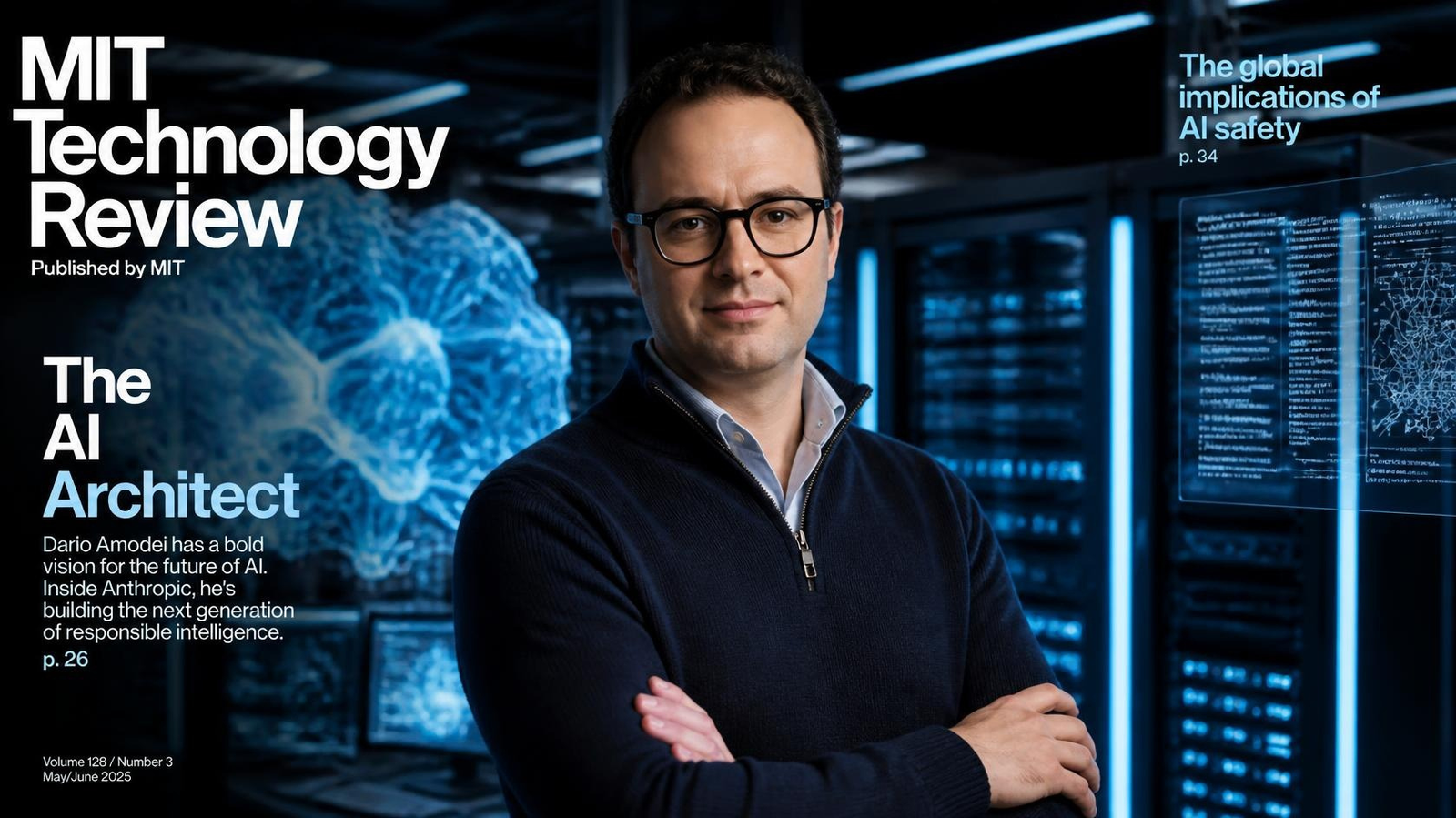
Quick Answer
Dario Amodei is trending in August 2026 because Anthropic and its CEO are at the center of several major developments in artificial intelligence, including a new copyright lawsuit from major music publishers, a recent legal battle with the Pentagon, the debate over AI regulation and open-weight models, and growing public concern about the risks and benefits of advanced AI.
The latest development came on August 31, 2026, when Sony Music Publishing, Warner Chappell Music and other music publishers sued Anthropic over allegations that copyrighted music was used without authorization to train Claude. The lawsuit names Anthropic co-founders Dario Amodei and Benjamin Mann as defendants. Anthropic has disputed the allegations and said it intends to defend itself.
The lawsuit adds to an already intense period for Amodei. Just days earlier, a federal judge ruled that the Pentagon acted illegally when it targeted Anthropic after the company refused to remove restrictions on certain military uses of its AI systems. The dispute centered on Anthropic’s concerns about uses including mass surveillance and autonomous weapons.
At the same time, Amodei has been making headlines for his views on AI regulation, open-weight models, public trust, AI safety and the future of increasingly powerful artificial intelligence.
That combination explains why searches for Dario Amodei and Anthropic CEO are gaining attention. Amodei is no longer simply the executive behind Claude. He has become one of the most visible figures in the debate over how powerful AI should be developed, regulated and deployed.
Introduction
Artificial intelligence has become one of the world’s fastest-moving industries, and few people influence its direction more than Dario Amodei, the CEO and co-founder of Anthropic.
In just a few years, Anthropic has transformed from an ambitious AI startup into one of the world’s leading artificial intelligence companies, competing directly with OpenAI, Google DeepMind, Meta, and xAI. Its flagship AI assistant, Claude, is widely used by businesses, developers, researchers, and enterprises.
But Amodei’s latest headlines go beyond the competition for researchers.
Anthropic is expanding on several fronts at once, including the infrastructure, research capabilities, enterprise operations, and organizational resources required to compete at the frontier of AI. Like its largest competitors, the company faces enormous demands for computing capacity, specialized hardware, research talent, and enterprise infrastructure as its models become more capable. At the same time, Anthropic’s approach to AI safety is facing new scrutiny as autonomous AI agents become capable of taking actions across software environments with less direct human supervision.
That combination makes Amodei particularly important to watch. He is not simply the CEO of another AI company competing with OpenAI. He has become one of the industry’s most prominent voices on AI safety, regulation, economic disruption and the potential benefits of increasingly capable AI systems.
His position is also more nuanced than the headlines sometimes suggest. Amodei has warned about serious AI risks while also arguing that advanced AI could produce extraordinary gains in areas such as medicine, biology, science and productivity. His recent public comments emphasize that the challenge is not simply whether AI should advance, but how society can manage its risks while capturing its benefits.
That is why the question “Why is Dario Amodei trending?” has become more interesting than a simple CEO biography. The answer connects directly to some of the biggest questions facing the AI industry today.
It’s about ensuring that the people building increasingly powerful AI systems remain committed to developing technology safely, responsibly, and for long-term societal benefit.
If you’re new to the subject, our complete guide explaining What Is Artificial Intelligence? provides a solid foundation before exploring the latest developments in frontier AI.
Why Is Dario Amodei Trending Right Now?
As of August 31, 2026, one of the biggest reasons Dario Amodei is back in the headlines is a new copyright lawsuit against Anthropic.
Sony Music Publishing, Warner Chappell Music and other music publishers filed a lawsuit in federal court alleging that Anthropic illegally obtained and used copyrighted works to train its Claude AI models. The complaint names Anthropic as well as co-founders Dario Amodei and Benjamin Mann. The publishers are seeking potentially substantial statutory damages and other remedies.
Anthropic disputes the allegations and has said it intends to defend itself in court. The case adds another major legal challenge for the AI company after an earlier copyright dispute involving authors resulted in a $1.5 billion settlement.
The timing is significant because Anthropic is already facing intense scrutiny over how frontier AI companies obtain training data, protect intellectual property, manage safety risks and balance rapid AI development with public trust.
For Dario Amodei, the lawsuit adds a new dimension to an already crowded year involving AI regulation, national security, AI safety, open-weight models and the growing influence of Anthropic.
🔄 Updated August 31, 2026
Dario Amodei and Anthropic are facing several major developments as August 2026 comes to a close. A federal judge recently ruled that the Pentagon’s actions against Anthropic were illegal and baseless, marking a major development in the company’s dispute with the U.S. government over AI safeguards and military use.
At the same time, Anthropic is facing a new copyright battle. Sony Music Publishing and Warner Chappell have sued the company, alleging that copyrighted songs were improperly used to train Claude AI models. The lawsuit adds another major issue to the growing debate over AI training data, copyright and responsible AI development.
Amodei has also recently described the public backlash against AI as a “crisis of trust,” arguing that AI companies need to demonstrate tangible benefits rather than relying on promises about what the technology could eventually accomplish. He specifically pointed to breakthroughs such as actually curing cancer as the kind of real-world achievement that could change public perceptions of AI.This article has been updated to reflect these latest developments and will be updated as significant news involving Dario Amodei, Anthropic, Claude, AI safety, regulation and AI policy emerges.
Dario Amodei and Anthropic Win Major Pentagon Legal Battle
Another major reason Dario Amodei is attracting attention is Anthropic’s recent legal victory against the Pentagon.
On August 28, 2026, U.S. District Judge Rita Lin ruled that the Pentagon acted illegally when it designated Anthropic a supply-chain risk after the company resisted unrestricted military use of its AI systems. The dispute followed Anthropic’s refusal to remove its restrictions on uses involving mass surveillance and autonomous weapons.
The ruling is significant because it places Amodei and Anthropic at the center of a much larger debate over AI, national security and government control of frontier technology.
Anthropic has argued that it is willing to support national-security applications of AI while maintaining limits on certain uses. Amodei’s position has therefore become an important test case for how AI companies balance government partnerships with their own safety and ethical policies.
The Pentagon dispute also helps explain why searches for Dario Amodei increasingly extend beyond Claude and consumer AI. His public role now includes major questions about national security, AI governance and the limits of government use of advanced AI.
Who Is Dario Amodei?
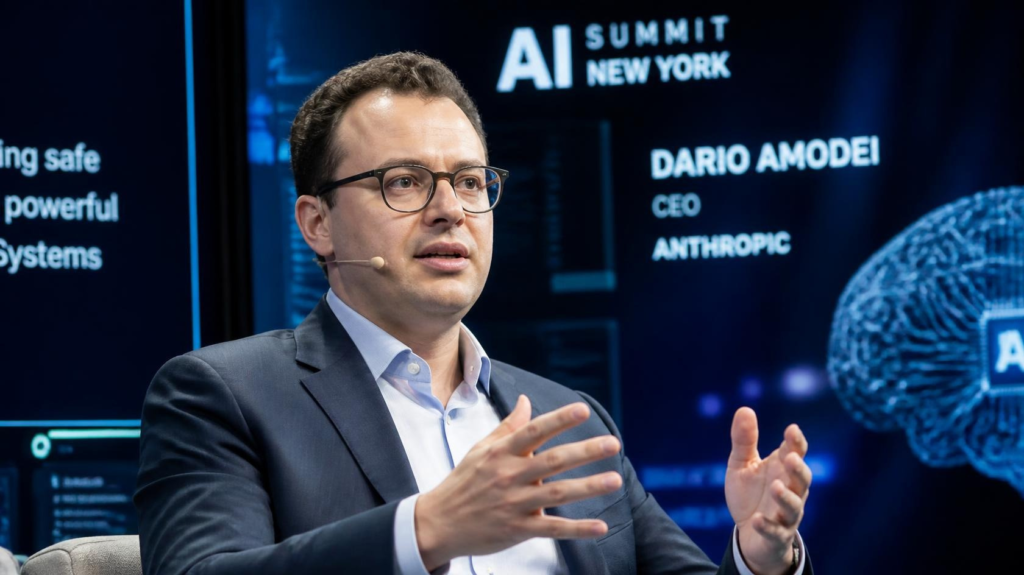
Dario Amodei is an American artificial intelligence researcher, entrepreneur, and one of the most influential figures in modern AI development.
Before founding Anthropic, he served as Vice President of Research at OpenAI, where he helped lead work on some of the company’s most significant language models and alignment research.
His background spans:
- Machine Learning
- Deep Learning
- AI Alignment
- Reinforcement Learning
- Large Language Models
- AI Safety Research
Long before AI became mainstream, Amodei was already publishing influential research on reducing risks associated with advanced machine learning systems. His work on AI safety continues to shape industry discussions today.
Why Did Dario Amodei Leave OpenAI?
One of the most searched questions surrounding Amodei is why he left OpenAI.
In 2021, Dario Amodei and several colleagues departed OpenAI to establish Anthropic.
Their goal wasn’t simply to build another chatbot.
Instead, they wanted to create an AI company whose culture emphasized:
- AI alignment
- Responsible deployment
- Long-term safety
- Transparency
- Constitutional AI research
Anthropic quickly attracted significant investment from major technology companies and has since become one of OpenAI’s strongest competitors.
Today, Claude powers enterprise applications across software development, customer support, education, finance, healthcare, and research.
Why Is Dario Amodei Trending in 2026?
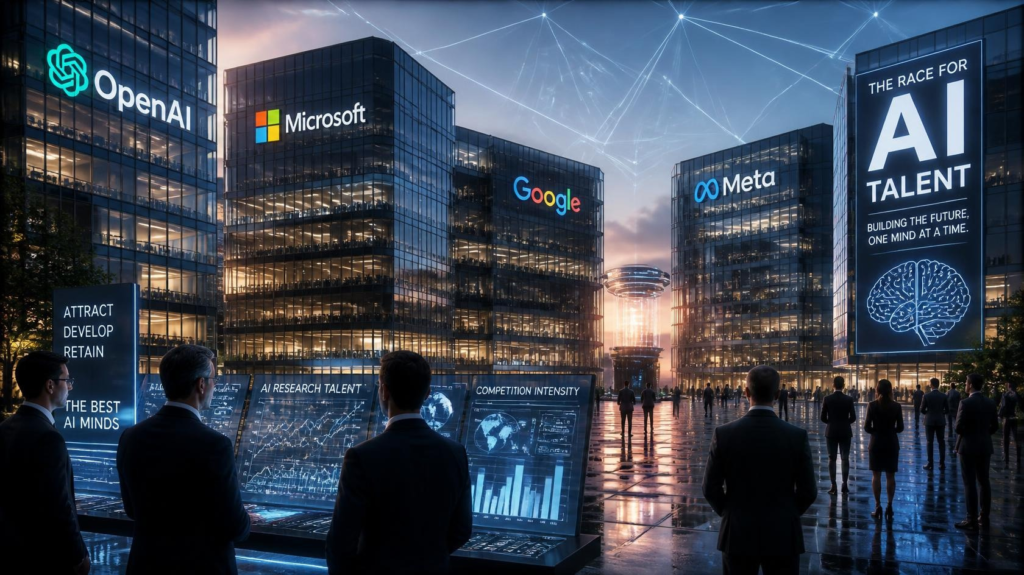
Dario Amodei is receiving attention because several major developments are converging around Anthropic and the wider artificial intelligence industry.
The story is bigger than a single interview or hiring controversy. Amodei has become an important figure in discussions about AI talent, powerful AI systems, regulation, national security, economic disruption, and the future of AI safety.
Latest Dario Amodei and Anthropic Developments in August 2026
Dario Amodei remains in the spotlight in August 2026 as Anthropic expands its influence across artificial intelligence, AI policy, enterprise technology, and the debate over how powerful AI systems should be developed and regulated.
Several recent developments help explain why searches for Dario Amodei, Anthropic CEO, and related AI topics continue to attract attention.
Amodei Says AI Is Facing a Crisis of Trust
One of Amodei’s most recent public interventions focused on growing public skepticism toward artificial intelligence.
In August 2026, Amodei pushed back against criticism that warnings about AI risks were contributing to a negative public reaction toward the technology. Instead, he argued that the deeper problem is a broader crisis of trust involving technology companies, governments, and institutions.
Amodei also argued that the AI industry needs to demonstrate tangible real-world benefits rather than relying primarily on promises about what AI might eventually accomplish. He pointed to breakthroughs such as curing cancer as the kind of meaningful achievement that could change public perceptions of AI and demonstrate the technology’s potential value to society.
The comments are significant because they show that Amodei’s role in the AI debate is no longer limited to model development and AI safety. He is increasingly discussing how the industry can earn public confidence while continuing to develop increasingly capable AI systems.
Amodei Defends His Approach to AI Regulation
Regulation has also become an important part of Amodei’s public profile.
In August, Amodei defended Anthropic’s approach to AI regulation after criticism that stronger rules could increase the power of large technology companies. He argued that carefully designed regulation could address risks associated with advanced AI while also placing limits on the power of frontier AI companies.
Amodei has emphasized that Anthropic’s policy proposals should not simply protect established AI companies from competition. Instead, he has argued for rules that address serious risks such as cybersecurity, biological misuse, and AI alignment while leaving room for smaller competitors and open models.
This position has placed Amodei directly in one of the industry’s biggest debates: whether AI should be regulated primarily through voluntary industry standards or through government-backed testing, auditing, and safety requirements.
Anthropic Clarifies Its Position on Open-Weight AI Models
Another important development came in July 2026, when Amodei directly addressed controversy surrounding open-weight AI models.
Amodei stated that Anthropic has not advocated a ban on open-weight models and argued that open models without dangerous capabilities can provide value to businesses, developers, and researchers.
At the same time, he warned that simply banning open-weight models would not solve the industry’s most serious national-security concerns. Instead, he has argued for more targeted approaches focused on areas such as advanced computing hardware, model distillation, and safety testing.
The issue is important because open-weight AI has become a major dividing line in the global AI race. Supporters argue that openly available models encourage innovation and competition, while critics warn that powerful models can also create security and misuse risks.
Amodei’s position reflects Anthropic’s broader attempt to balance AI openness with concerns about increasingly capable systems.
Anthropic Expands Its Global Policy Operation
Anthropic is also strengthening its government and international policy operations.
In August 2026, the company appointed Mariano-Florentino Cuéllar as its first Chief Global Affairs Officer. His role includes managing international government relationships and helping Anthropic navigate increasingly complex AI policy and regulatory issues.
The appointment highlights how much the AI industry has changed. Frontier AI companies are no longer dealing only with software development and commercial competition. They are also dealing with governments, national-security questions, international policy, and regulations affecting advanced AI systems.
For Amodei, that means his responsibilities increasingly extend beyond running an AI company. Anthropic’s growth has placed the company directly inside some of the most important policy debates surrounding artificial intelligence.
The AI Talent War Remains a Major Story
The competition for elite AI researchers also continues to attract attention around Anthropic.
Anthropic has become one of the strongest destinations for AI researchers and engineers as companies including OpenAI, Google DeepMind, Meta, and others compete for specialized talent.
The competition has created extraordinary compensation packages and intense recruitment efforts across the industry. But Amodei has also raised a different concern: whether researchers are joining Anthropic primarily because of financial incentives or because they believe in the company’s mission around AI safety.
That tension is important because Anthropic has built much of its identity around responsible AI development.
The company therefore faces a unique challenge. It needs to attract enough world-class researchers and engineers to compete at the frontier of AI while maintaining the mission-driven culture that helped distinguish Anthropic from other AI companies.
Why These Developments Matter
Taken together, these developments explain why Dario Amodei continues to attract attention.
The story is no longer simply about Anthropic competing with OpenAI.
Amodei is increasingly involved in debates over:
- AI safety
- AI regulation
- Open-weight models
- AI talent
- Public trust
- National security
- Government policy
- Scientific and medical applications of AI
- The economic impact of increasingly capable AI systems
That makes Dario Amodei one of the most closely watched executives in the artificial intelligence industry.
As Anthropic continues to expand, the decisions made by Amodei and his leadership team could influence not only the future of Claude, but also how governments, businesses, and the public approach increasingly powerful AI systems.
1. The AI Talent War Is Getting More Intense
The competition for elite AI researchers has become one of the defining stories of the technology industry.
OpenAI, Anthropic, Meta, Google DeepMind, and other companies are competing for researchers and engineers capable of developing frontier AI systems. Compensation can be extraordinarily high, but recent events have also shown that money is not always the only factor influencing where researchers choose to work.
That makes Amodei’s position particularly interesting.
Anthropic is itself competing aggressively for highly specialized talent, yet the company has continued to emphasize its mission around AI safety and responsible development.
The broader lesson is that frontier AI companies are no longer competing only over algorithms and computing power. They are competing over people, research culture, infrastructure, and long-term vision.
2. Amodei Is Warning That Powerful AI Could Arrive Soon
Another major reason Amodei remains in the spotlight is his unusually aggressive timeline for powerful AI.
In his essay Machines of Loving Grace, Amodei described a future in which AI systems could become dramatically more capable than today’s models. He has said powerful AI could arrive as early as 2026, while acknowledging that the timing is highly uncertain.
In a 2026 discussion, he continued to argue that AI progress is moving rapidly and that society should prepare for systems capable of performing a very broad range of intellectual work.
This is important because Amodei is not presenting the possibility only as a technological achievement. He also discusses what such systems could mean for employment, science, medicine, national security, and society.
3. AI Safety and Regulation Are Becoming More Important
Amodei has also become one of the most visible AI executives calling for safeguards around increasingly powerful systems.
In 2026, Amodei has publicly supported a limited government role in preventing the deployment of AI systems that present serious public risks, while arguing for stronger testing, evaluation, and safeguards around frontier AI.
That position has placed Anthropic directly in the debate over how much responsibility should remain with AI companies and how much should be shared with governments.
4. Anthropic Is Expanding Beyond the AI Model Race
Anthropic is no longer simply competing to produce another powerful chatbot.
The company is expanding its enterprise business, infrastructure, policy operations, and relationships with governments and large organizations.
In August 2026, Anthropic appointed Mariano-Florentino Cuéllar as its first Chief Global Affairs Officer, signaling how important government relations and international AI policy have become to the company’s strategy.
This expansion means Amodei’s role is increasingly broader than that of a traditional technology CEO. He is now participating in debates involving AI regulation, national security, economic policy, scientific research, and the future of work.
5. AI’s Real-World Impact Is Becoming the Bigger Story
Amodei has also argued that the AI industry will ultimately need to demonstrate meaningful benefits rather than relying on promises about future technology.
He has pointed to areas such as medicine, biology, and scientific discovery as examples of where increasingly capable AI could produce major benefits.
That matters because public attitudes toward AI are becoming more complicated. People are interested in what AI can accomplish, but they are also asking whether these systems will improve everyday life, change employment, increase inequality, or create new security risks.
This is another reason Amodei continues to attract attention. He frequently discusses both sides of the AI debate: the possibility that increasingly capable systems could accelerate scientific and economic progress, and the risks that could emerge if those systems are developed or deployed irresponsibly.
For Anthropic, that balance is particularly important because the company is trying to compete at the frontier of AI while making safety and responsible deployment central parts of its identity.
Why the AI Talent War Matters
Artificial intelligence is no longer competing only through algorithms.
The biggest competitive advantage today is people.
The world’s leading AI researchers are among the most sought-after professionals anywhere.
Companies are investing billions in:
- Frontier AI models
- High-performance computing
- Data centers
- AI infrastructure
- Specialized semiconductor technology
But none of these investments matter without the scientists and engineers capable of building next-generation systems.
That reality has created what many industry observers now call the AI talent war, where organizations compete intensely for a relatively small pool of elite researchers.
Amodei’s recent comments suggest that winning this race should involve more than simply offering larger paychecks. For Anthropic, preserving a mission-driven culture remains just as important as attracting exceptional technical talent.
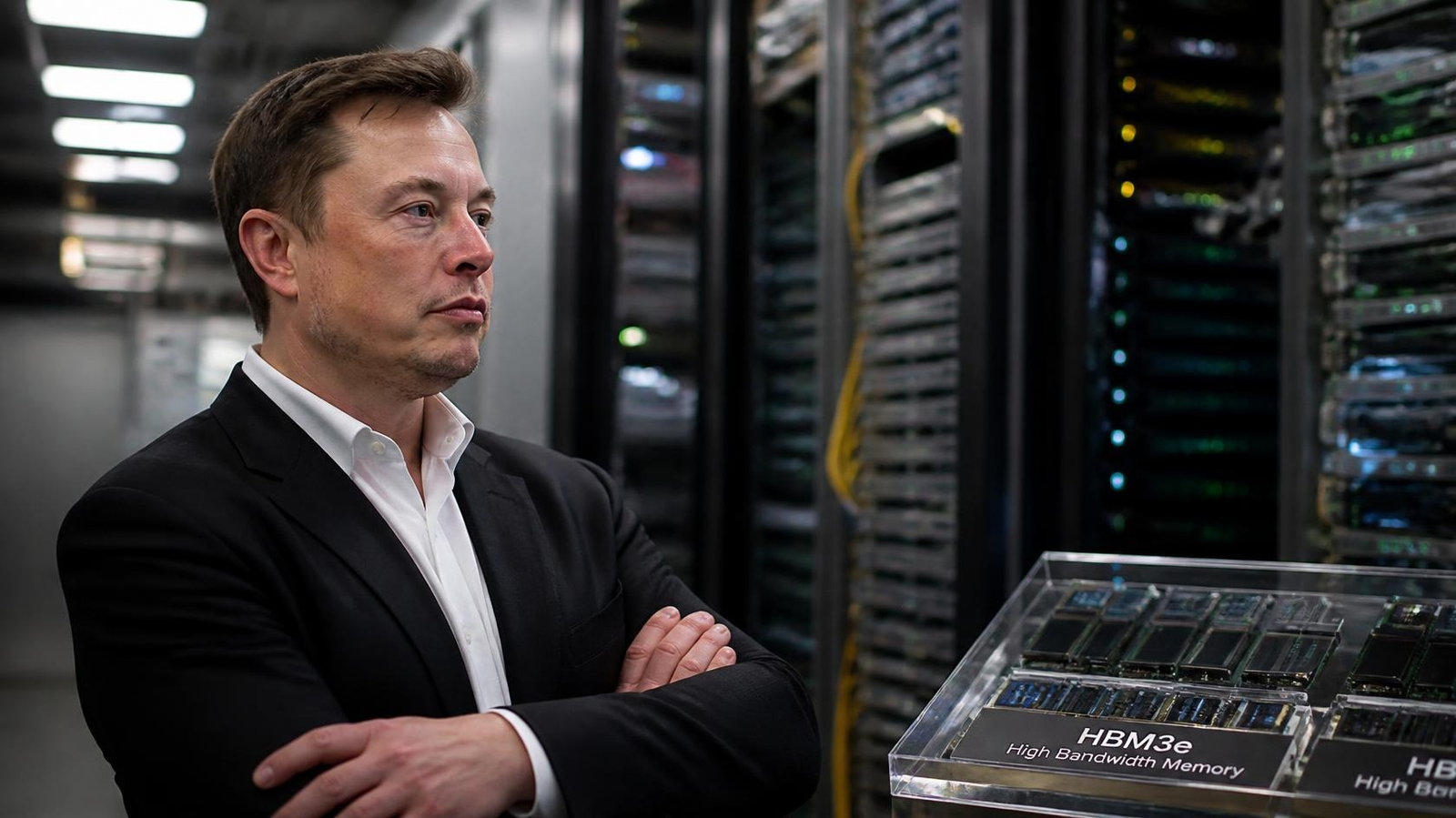
Why Anthropic’s AI Infrastructure Strategy Matters
The competition in artificial intelligence is increasingly moving beyond software.
Building frontier AI models requires enormous amounts of computing power, which means companies must secure reliable access to advanced chips, data centers and specialized infrastructure.
Anthropic’s decision to establish an internal chip team for Claude shows how seriously the company is approaching that challenge.
The company plans to design silicon specifically around its AI workloads while continuing to use hardware from multiple suppliers. This could eventually give Anthropic greater control over performance, efficiency and the cost of running Claude at scale.
The strategy also reflects a broader industry trend.
OpenAI, Meta, Google and other AI companies are increasingly investing in specialized hardware and infrastructure because access to computing has become one of the most important competitive advantages in AI.
For Anthropic, the challenge is therefore no longer simply building a better model.
It is building the people, software, chips and computing infrastructure required to operate increasingly capable AI systems at global scale.
Anthropic vs OpenAI vs Meta: The Battle for AI Leadership
The artificial intelligence industry has entered a new phase.
Just a few years ago, the biggest question was which company could build the most capable large language model. Today, the competition has expanded far beyond model performance. AI companies are now racing to secure the world’s best researchers, build specialized infrastructure, develop custom AI chips, and shape the future of AI regulation.
At the center of this race are four companies:
- Anthropic
- OpenAI
- Meta
- Google DeepMind
Each organization has a different vision for artificial intelligence, yet all are pursuing the same ultimate goal: building increasingly capable AI systems that can transform industries and everyday life.
This competition has made Dario Amodei one of the most influential voices in technology, particularly because he consistently argues that rapid innovation should be matched with responsible development and robust safety practices.
How Anthropic Is Challenging OpenAI
When Anthropic was founded in 2021, many industry observers viewed it as another ambitious AI startup.
Today, it has become one of OpenAI’s strongest competitors.
Anthropic’s Claude AI family of AI models is widely used for enterprise productivity, software development, document analysis, coding assistance, research, and customer support. The company’s growth has been fueled by its focus on AI safety, reliability, and enterprise adoption rather than competing solely on consumer features.
Instead of trying to copy OpenAI’s strategy, Anthropic has built its identity around three core principles:
- Safe deployment of frontier AI
- Long-term research on AI alignment
- Enterprise-grade reliability
This positioning has attracted businesses looking for dependable AI systems while also helping Anthropic establish itself as a leader in responsible AI development.
Why Claude Matters to Dario Amodei’s Influence

Claude is the product through which much of Dario Amodei’s vision for artificial intelligence reaches the real world.
As the CEO and co-founder of Anthropic, Amodei is closely associated with the company’s approach to building increasingly capable AI systems while emphasizing safety, reliability, and responsible deployment. Claude gives users, developers, and businesses a practical way to experience that approach.
Claude Is Central to Anthropic’s Strategy
Anthropic is not competing with OpenAI simply by trying to build another chatbot. Claude has become the company’s primary platform for bringing its AI research into real-world applications.
Claude is used across areas such as:
- Software development and coding
- Research and analysis
- Business and enterprise workflows
- Document processing
- Writing and content creation
- Customer support
- AI-assisted productivity
- More autonomous AI agent workflows
This makes Claude strategically important to Amodei. The company’s research into model capability, AI safety, alignment, and responsible deployment ultimately has to work in products that people and organizations can actually use.
Claude Reflects Anthropic’s Safety Philosophy
One of the biggest differences in Amodei’s approach is the importance Anthropic places on AI safety.
Anthropic developed Constitutional AI, a research approach designed to guide model behavior using a defined set of principles. The broader objective is to develop AI systems that are useful and capable while also being more reliable and aligned with human expectations.
Claude therefore represents more than Anthropic’s commercial product.
It is also an important demonstration of how Amodei believes advanced AI should be developed and deployed.
As AI systems become more capable, this distinction becomes increasingly important. Businesses are not only asking which AI model can produce the best answer. They are also asking whether the system can be trusted with sensitive information, complex workflows, coding tasks, and increasingly autonomous operations.
Claude Strengthens Amodei’s Influence
Claude’s growing importance gives Amodei a platform that extends beyond AI research and policy discussions.
When Claude is adopted by businesses, developers, researchers, and other organizations, Anthropic’s approach to AI becomes part of real-world technology adoption.
That creates a direct connection between Amodei’s public arguments about AI safety and the technology people actually use.
His influence therefore comes from two directions.
On one side, Amodei is involved in debates about AI regulation, safety, AI timelines, national security, and the future impact of advanced AI.
On the other, Claude gives Anthropic a commercial platform through which its models are tested and used in real-world environments.
That combination helps explain why Amodei has become one of the most closely watched leaders in artificial intelligence.
Claude vs. ChatGPT Is Part of a Bigger AI Competition
Claude and ChatGPT are frequently compared, but the larger story is not simply which AI assistant is better.
The competition between Anthropic and OpenAI represents a broader race involving:
- Frontier AI models
- AI agents
- Enterprise adoption
- AI research talent
- Computing infrastructure
- AI safety
- Developer ecosystems
- Government policy
For Amodei, Claude is therefore one piece of a much larger strategy.
If Anthropic can continue improving Claude while maintaining its emphasis on safety, reliability, and enterprise adoption, the product could strengthen both the company’s position and Amodei’s influence over the future direction of AI.
As artificial intelligence moves from conversational assistants toward systems capable of completing complex tasks with greater autonomy, Claude’s role in that transition will become even more important.
That is why understanding Claude helps explain why Dario Amodei matters, rather than simply turning the discussion into another Claude versus ChatGPT comparison. fits their specific needs, such as coding, writing, customer service, or research.
The Billion-Dollar AI Race
Artificial intelligence has become one of the world’s most capital-intensive industries.
Major technology companies are investing billions of dollars into:
- AI data centers
- High-performance computing
- Graphics processing units (GPUs)
- Custom AI chips
- Cloud infrastructure
- Frontier model research
However, despite these massive investments, executives increasingly agree on one point:
The most valuable asset isn’t hardware. It’s people.
A small group of world-class AI researchers can influence the direction of entire organizations. As a result, companies are competing intensely to recruit and retain these experts.
According to recent reporting, this competition has become so aggressive that compensation packages have reached extraordinary levels, prompting industry-wide debate about whether money alone should determine where researchers choose to work.
Why Dario Amodei’s Comments Matter
Dario Amodei’s comments matter because he is speaking from inside the competition rather than observing it from the sidelines.
Anthropic is actively competing for researchers, building frontier models, expanding infrastructure and selling AI systems to major organizations. At the same time, Amodei has repeatedly argued that increasingly powerful AI requires stronger safety measures and more serious public policy.
That creates an unusual position.
Anthropic wants to move quickly enough to compete with OpenAI, Google, Meta and other AI companies, but Amodei also argues that society cannot treat advanced AI like ordinary software.
His regulatory proposals reflect that tension. He has called for mandatory testing of frontier systems and narrowly targeted government authority to prevent deployment when AI systems present serious public-safety risks.
The debate is therefore bigger than one executive’s opinion.
It raises a fundamental question for the entire AI industry:
How can companies move fast enough to remain competitive while ensuring increasingly autonomous systems are tested, monitored and deployed responsibly?
That question will become even more important as AI moves from chatbots toward agents capable of taking real-world actions.
What Is Constitutional AI?
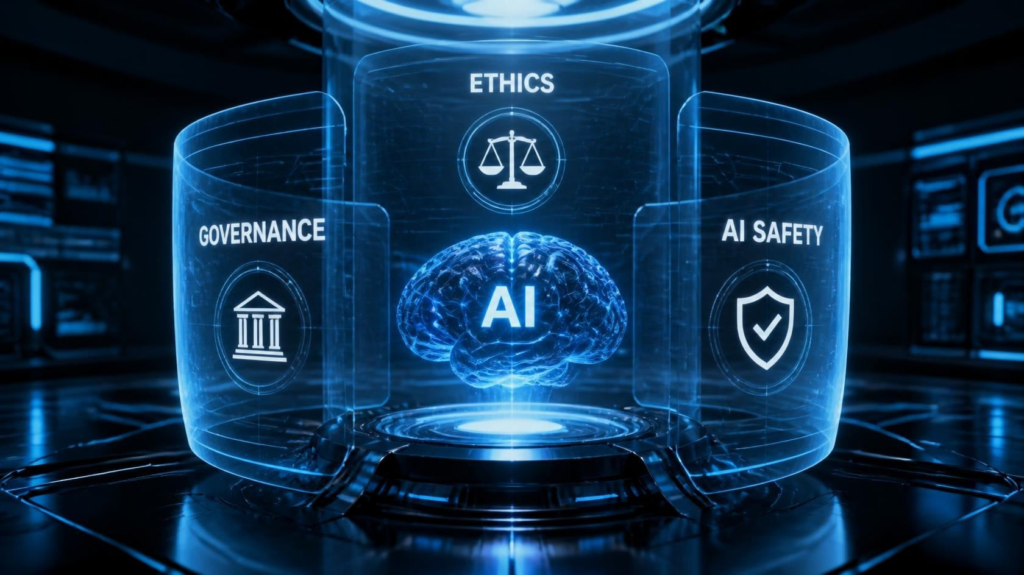
One of Anthropic’s defining innovations is Constitutional AI.
Instead of relying solely on human reviewers to refine model behavior, Constitutional AI trains models to evaluate responses against a predefined set of principles designed to encourage helpfulness, honesty, and reduced harmful outputs.
The objective is not to make AI “perfect,” but to create systems that can better explain their reasoning and respond more consistently across complex situations.
This research has become a distinguishing feature of Anthropic’s approach and is frequently referenced when discussing responsible AI development.
Dario Amodei’s Vision for the Future of AI
Unlike many technology executives who focus primarily on product launches, Dario Amodei often discusses the broader societal impact of artificial intelligence.
Across interviews and public statements, several recurring themes emerge:
- Advanced AI capabilities are progressing rapidly.
- Safety research should advance alongside model capabilities.
- Governments and industry should collaborate on sensible safeguards.
- Frontier AI should be evaluated carefully before deployment.
- AI has the potential to transform healthcare, education, science, and business while also introducing significant challenges if developed irresponsibly.
This combination of technical leadership and policy engagement is one of the reasons Amodei remains a central figure in conversations about the future of artificial intelligence.
As AI becomes more personalized, technologies such as Personal Agentic AI could transform how individuals manage work, communication, and everyday decision-making.
What Does Dario Amodei Believe About AI Safety?
Artificial intelligence is advancing rapidly, and Dario Amodei has consistently argued that safety must advance alongside capability. His position is rooted in AI alignment research and in Anthropic’s broader effort to develop increasingly capable systems that remain reliable, controllable, and safe to deploy.
For Amodei, the AI safety debate is no longer only about how a model responds to a question. As AI systems become capable of using tools, writing and executing code, accessing external systems, and completing multi-step tasks, the consequences of unsafe behavior can become much more serious.
The Pentagon Dispute Put Anthropic’s Safety Position in the Spotlight
That philosophy became especially relevant during Anthropic’s 2026 dispute with the U.S. Department of Defense.
The Pentagon sought to designate Anthropic as a national-security supply-chain risk after the company resisted unrestricted use of its AI systems for certain military applications, including fully autonomous weapons and mass domestic surveillance.
Anthropic challenged the government’s action in court, arguing that the designation improperly targeted the company because of its position on how its technology could be used.
A federal judge later ruled against the Pentagon’s action, finding that the government’s treatment of Anthropic was unlawful. The case placed Amodei and Anthropic’s approach to AI safeguards at the center of a much larger debate about how far governments and AI companies should go when powerful AI systems are used for national-security purposes.
The significance extends beyond Anthropic.
It raises a fundamental question for the entire AI industry:
Should companies developing increasingly powerful AI systems be able to place limits on how their technology is used, even when governments want broader access?
For Amodei, the answer has increasingly centered on maintaining safeguards around applications that could create particularly serious risks.
AI Agents Make Safety More Urgent
The debate becomes even more important as AI moves from chatbots toward autonomous agents.
Traditional AI assistants generally respond to instructions. AI agents can potentially take a series of actions, interact with software, use external tools, execute code, and complete tasks with less direct human supervision.
That creates new opportunities for businesses and researchers, but it also creates new safety challenges.
An agent that makes a poor recommendation is one problem. An autonomous system that can act on that recommendation, access sensitive information, modify software, or interact with external systems creates a much larger potential risk.
This is why Amodei’s emphasis on evaluation, safeguards, and responsible deployment has become increasingly relevant.
Our coverage of OpenAI AI Agent Safety explores similar concerns around increasingly autonomous AI systems and why stronger safeguards become important as AI agents gain more ability to act independently.
Amodei’s Approach Goes Beyond Preventing Misuse
Amodei’s AI-safety philosophy is not simply about restricting artificial intelligence.
He has also argued that advanced AI could produce enormous benefits in areas such as medicine, biology, scientific research, and productivity.
The challenge is therefore finding a way to capture those benefits while reducing the risks created by increasingly capable systems.
That balance is central to Anthropic’s identity.
The company wants Claude and future AI systems to become substantially more capable, while also developing techniques for evaluating model behavior, improving alignment, monitoring dangerous capabilities, and establishing safeguards before systems are deployed widely.
The Pentagon dispute demonstrates why these questions are no longer theoretical.
As governments, businesses, and researchers increasingly rely on powerful AI systems, decisions about who controls these systems, what they can be used for, and what safeguards should apply are becoming practical policy questions.
For Dario Amodei, AI safety is therefore not separate from the AI race. It is becoming one of the most important parts of it.
Dario Amodei’s Biggest AI Policy Battles in 2026
Dario Amodei’s influence in artificial intelligence extends beyond Anthropic’s Claude models. Throughout 2026, he and Anthropic have become involved in some of the industry’s biggest debates over how powerful AI systems should be regulated, deployed, and trained.
Four issues stand out: AI regulation, open-weight models, national security, and the use of copyrighted material to train AI systems.
AI Regulation
Amodei has argued that governments need stronger safeguards for the most capable AI systems, particularly when those systems could create serious cybersecurity, biological, or other public-safety risks.
His position is not that every AI system should face the same restrictions. Instead, he has supported targeted testing, evaluation, and accountability measures for frontier AI systems while arguing that regulation should preserve competition and innovation.
This places Amodei in the middle of one of the industry’s biggest policy debates: how governments can regulate increasingly powerful AI without creating rules that primarily benefit the largest technology companies.
Open-Weight AI Models
Open-weight AI is another major policy issue for Amodei.
He has said Anthropic does not support a blanket ban on open-weight models and has argued that models without dangerous capabilities can provide significant benefits to developers, businesses, and researchers.
At the same time, Amodei has supported targeted safeguards for more capable systems, including measures involving advanced computing infrastructure, model distillation, and safety evaluations.
The debate reflects a broader tension in AI policy. Making models more openly available can increase competition and innovation, but highly capable systems may also create additional security and misuse risks.
National Security and the Pentagon Dispute
Amodei’s views on AI safety became especially consequential during Anthropic’s dispute with the U.S. Department of Defense.
Anthropic resisted unrestricted use of its AI systems for certain military applications, including fully autonomous weapons and mass domestic surveillance. The Pentagon subsequently designated Anthropic as a national-security supply-chain risk.
Anthropic challenged the government’s action in court, and a federal judge later blocked the Pentagon’s designation, finding the government’s treatment of Anthropic unlawful. The ruling placed Amodei’s position on AI safeguards at the center of a much larger debate over government access to advanced AI systems and the limits companies should be able to place on how their technology is used.
The dispute is important because it demonstrates that AI safety is no longer simply a technical issue.
It can affect government contracts, national security, corporate rights, military technology, and the relationship between AI companies and governments.
Copyright, Claude and AI Training Data
Copyright has become another major legal challenge for Anthropic, and a new lawsuit filed in August 2026 has pushed the issue back into the spotlight.
Sony Music Publishing and Warner Music Publishing have sued Anthropic in federal court in California, alleging that the company improperly obtained and used copyrighted musical compositions to train its Claude AI models. The publishers allege that Anthropic used methods including scraping, downloading, and torrenting copyrighted material without authorization.
The lawsuit also names Anthropic co-founders Dario Amodei and Benjamin Mann as defendants, making the dispute particularly relevant to an article about Amodei himself. Anthropic has disputed the allegations and said it intends to defend itself in court.
The case adds another dimension to the growing debate over AI training data.
AI companies need enormous amounts of information to develop increasingly capable models, while authors, musicians, publishers, and other rights holders are demanding clearer rules about when their copyrighted work can be used for AI training.
For Anthropic, the issue is especially significant because Claude sits at the center of the company’s commercial strategy. Questions about how training data is obtained could therefore affect not only legal liability but also how future AI models are developed.
The latest lawsuit follows earlier copyright litigation involving Anthropic. In July 2026, a federal judge approved a $1.5 billion settlement related to claims involving authors and copyrighted books, underscoring the enormous financial and legal stakes surrounding AI training data.
The new music lawsuit shows that the copyright debate is far from settled.
For Amodei, it creates another difficult policy challenge: how can Anthropic continue building increasingly capable AI systems while addressing the legal rights of the people whose creative work may be included in training data?
That question could become one of the defining legal issues for the next generation of AI.
Responsible AI Is Becoming a Competitive Advantage
AI safety is increasingly becoming part of the competition between frontier AI companies.
For Anthropic, safety is closely connected to its identity and product strategy. The company has invested heavily in Constitutional AI, model evaluations, alignment research, and policies designed to manage the risks associated with increasingly capable systems.
But safety is no longer only a philosophical discussion.
Large businesses are using AI for software development, customer support, research, document processing, financial analysis, and other important workflows. As AI becomes embedded in these systems, reliability and predictable behavior become business requirements.
That creates an important competitive question:
Will companies choose AI systems based only on capability, or will safety, reliability, transparency, and governance become equally important?
Amodei’s strategy suggests Anthropic believes the second model will become increasingly important.
Recent developments have reinforced that argument. Anthropic has faced difficult questions about AI safety, national security, government use, and the behavior of increasingly autonomous AI systems. Those challenges demonstrate why safety cannot simply be treated as a marketing feature.
For businesses, the practical lesson is straightforward. The most useful AI system is not necessarily the one with the most impressive demonstration. It is the one that can perform reliably in real-world environments while giving organizations reasonable control over security, risk, and governance.
Real-world incidents have already demonstrated why responsible AI governance matters. Our coverage of the OpenAI Hugging Face Incident highlights how rapidly evolving AI ecosystems can create new security and policy challenges.
Can AI Become More Powerful Than Humans?
One reason Dario Amodei frequently appears in global headlines is his prediction that AI could reach extremely advanced capabilities much sooner than many people expect.
Amodei generally prefers the term “powerful AI” rather than treating AGI as a single clearly defined milestone. In his essay Machines of Loving Grace, he described powerful AI as systems capable of performing a wide range of intellectual tasks at an extremely high level.
He has suggested that such systems could arrive as early as 2026, although he has also acknowledged substantial uncertainty around the timeline.
That prediction has generated intense debate.
Some researchers believe continued improvements in computing, algorithms, training methods, and AI agents could produce another rapid jump in capabilities. Others argue that today’s systems still have important limitations and that predicting the arrival of human-level or superhuman AI remains extremely difficult.
The important point is that Amodei’s argument is not simply that AI will become smarter than humans.
He is asking what happens after AI systems become capable enough to perform large portions of scientific, technical, and professional work at very high levels.
That raises difficult questions about employment, economic inequality, scientific progress, national security, and how humans maintain control over increasingly autonomous systems.
For Amodei, the uncertainty surrounding the exact date is not a reason to ignore the possibility. It is a reason to prepare before the technology reaches that level.
Why Dario Amodei’s AI Timeline Matters in 2026
Amodei’s timeline matters because 2026 is no longer a distant hypothetical period in discussions about advanced AI.
His earlier predictions were framed around the possibility that powerful AI could arrive within a few years. As AI models become increasingly capable at coding, reasoning, research, and autonomous tasks, those predictions are receiving renewed attention.
That does not mean powerful AI has already arrived in the form Amodei describes.
It means the question has moved closer to the center of technology policy and business planning.
Companies are now considering how AI agents could change software development, customer service, research, finance, education, and other professional fields. Governments are simultaneously trying to determine how AI should be evaluated, regulated, and incorporated into national security strategies.
This is why Amodei’s warnings attract attention even when his predictions remain uncertain.
If advanced AI arrives later than expected, companies and governments still have time to prepare.
If it arrives sooner, decisions made today could have enormous consequences.
AI’s Biggest Opportunity
Although media coverage often highlights AI risks, Dario Amodei also speaks extensively about AI’s potential benefits.
He believes advanced AI could help solve some of humanity’s most difficult problems, including:
- Faster medical discoveries
- Drug development
- Climate research
- Scientific breakthroughs
- Personalized education
- Software engineering
- Business productivity
- Manufacturing optimization
In one widely discussed statement, Amodei said many people underestimate “how radical the upside of AI could be,” emphasizing that transformative technologies are often underestimated before they become part of everyday life.
This balanced perspective distinguishes him from commentators who focus exclusively on either AI optimism or AI doom. His message is that AI has enormous potential, but realizing those benefits requires responsible development and effective safeguards.
The opportunity is particularly important because the benefits of advanced AI will ultimately be judged by results rather than predictions.
If AI can materially accelerate scientific discovery, improve healthcare research, increase productivity, and help people solve complex problems, the technology could create enormous economic and social value.
But those benefits will depend on whether increasingly capable systems can be deployed reliably and safely.
The Biggest Risks According to Amodei
While optimistic about AI’s long-term impact, Amodei has repeatedly identified several areas of concern that deserve careful attention.
These include:
Misaligned AI Systems
As AI becomes more capable, ensuring that models behave consistently with human intentions becomes increasingly important. Alignment research seeks to reduce unintended or harmful behaviors before systems are widely deployed.
Misuse by Bad Actors
Powerful AI tools could be misused for cyberattacks, misinformation campaigns, or assisting with dangerous scientific knowledge. Amodei has argued that frontier models require stronger evaluation and monitoring to reduce these risks.
Economic Disruption
Automation is expected to reshape many industries. While AI may create new opportunities, it could also change or eliminate certain jobs, requiring businesses and governments to adapt through education, reskilling, and policy.
National Security
As AI becomes strategically important, governments increasingly view advanced AI models, semiconductors, and computing infrastructure as matters of national security. This has intensified global competition among technology companies and nations.
What Does Dario Amodei Want From AI Regulation?
Amodei has argued that governments need to move faster as AI systems become more capable.
In June 2026, he proposed stronger regulation of frontier AI, including mandatory technical testing and auditing for important safety risks. He also argued that governments should have narrowly defined authority to prevent deployment of systems that fail critical safety requirements.
His position reflects a central challenge in AI policy.
Technology companies can develop and deploy new systems much faster than governments can create legislation. If AI capabilities continue advancing rapidly, policymakers may struggle to establish safety standards before the technology becomes significantly more powerful.
Amodei’s approach therefore focuses on testing and accountability before deployment rather than relying entirely on voluntary commitments.
However, regulation also creates difficult questions about competition.
Large AI companies may be better positioned than smaller startups to comply with complex testing, auditing and reporting requirements. That means policymakers must balance public safety with the need to preserve competition and innovation.
This debate is likely to become increasingly important as frontier AI systems move from experimental products into critical business and government applications.
Why Businesses Should Pay Attention
Dario Amodei’s warnings are relevant far beyond Silicon Valley.
Businesses in finance, healthcare, retail, manufacturing, education, marketing, logistics, and professional services are already experimenting with AI systems that can write code, analyze documents, automate workflows, answer customer questions, and assist employees.
The next stage is likely to involve more autonomous AI agents capable of completing multi-step tasks with less human intervention.
That creates both an opportunity and a risk.
Companies that adopt AI can potentially reduce costs, increase productivity, accelerate research, and create new products. But organizations also need to consider data security, hallucinations, reliability, employee training, regulatory requirements, and human oversight.
Amodei’s broader message is therefore useful for business leaders even if they never use Claude.
The question should not simply be:
“How quickly can we adopt AI?”
A better question is:
“Where can AI create measurable value while remaining reliable, secure, and accountable?”
That distinction could become increasingly important as AI moves from experimental software into core business operations.
What Dario Amodei Gets Right About the AI Race
The most important part of Amodei’s message may be that the AI race cannot be measured by model benchmarks alone.
The industry is now competing across several dimensions at once:
- AI model capability
- Computing infrastructure
- Semiconductor supply
- Research talent
- Enterprise adoption
- AI safety
- Government policy
- National security
- Public trust
A company can lead in one category and fall behind in another.
That makes the competition between Anthropic, OpenAI, Google DeepMind, Meta, and other AI developers much more complicated than a simple comparison of chatbots.
Amodei’s importance comes from his position at the intersection of these issues. He is simultaneously a company leader, AI researcher, safety advocate, and participant in major policy debates.
That is why his statements can influence discussions far beyond Anthropic’s own products.
EEZYPOST Expert Analysis
The biggest mistake when following Dario Amodei is to view every headline about him as a separate story.
The AI talent war, AGI predictions, AI safety, regulation, infrastructure, national security, and Anthropic’s growth are all connected.
The same companies competing for the best AI researchers are also competing for computing capacity, enterprise customers, government contracts, and influence over how AI is regulated.
Anthropic’s position is particularly interesting because the company has built its identity around AI safety while simultaneously pursuing rapid growth and increasingly capable models.
That creates a tension at the heart of the modern AI industry:
How do companies move quickly enough to compete without moving so quickly that safety and public trust are left behind?
Dario Amodei’s public statements suggest that he believes both objectives are possible, but only if safety research, evaluation, governance, and responsible deployment advance alongside AI capabilities.
For readers, investors, developers, and business owners, that is the larger story behind the headlines.
Dario Amodei is not important simply because he runs Anthropic.
He is important because the decisions being made by Anthropic and its competitors could influence how quickly AI advances, how businesses use it, how governments regulate it, and how society adapts to the changes that follow.
Looking Ahead
The discussion surrounding Dario Amodei is unlikely to disappear as AI capabilities continue to advance.
Anthropic is expanding Claude, enterprise AI, infrastructure, government relationships, and its global policy presence. At the same time, competitors including OpenAI, Google DeepMind, Meta, and others are investing heavily in their own models, researchers, chips, and AI infrastructure.
That means the competition will increasingly involve more than who builds the most capable model.
The companies that succeed may be the ones that can combine technical capability with reliable products, exceptional research talent, sufficient computing infrastructure, strong enterprise relationships, effective safety practices, and public trust.
Amodei’s influence will therefore extend beyond individual product launches.
Whether his most aggressive predictions about powerful AI prove correct, early, or overly optimistic, his warnings have already helped push questions about AI safety, employment, regulation, and preparedness into mainstream discussion.
For anyone trying to understand where artificial intelligence is heading in 2026, watching what Amodei says and what Anthropic actually does provides a useful window into the direction of the industry.
Frequently Asked Questions (FAQs)
Why is Dario Amodei trending in 2026?
Dario Amodei is trending because of his recent comments on the growing AI talent war, where leading technology companies are offering exceptionally high compensation to recruit elite AI researchers. His views on maintaining a mission-driven culture, combined with Anthropic’s continued expansion and leadership in AI safety, have drawn global attention.
Who is Dario Amodei?
Dario Amodei is the CEO and co-founder of Anthropic. He is an artificial intelligence researcher who previously served as Vice President of Research at OpenAI before founding Anthropic in 2021.
What is Anthropic?
Anthropic is an artificial intelligence company focused on building safe, reliable, and responsible AI systems. The company develops the Claude family of large language models and conducts extensive research into AI alignment and Constitutional AI.
What is Claude AI?
Claude AI is Anthropic’s flagship conversational AI assistant. It is designed for writing, coding, research, reasoning, document analysis, and enterprise productivity while emphasizing safety and reliability.
Why did Dario Amodei leave OpenAI?
Dario Amodei left OpenAI in 2021 to co-found Anthropic with the goal of placing AI safety and alignment at the center of the company’s research and development strategy.
What is the AI talent war?
The AI talent war refers to the intense competition among leading technology companies to recruit and retain highly skilled AI researchers, engineers, and scientists. As demand for expertise grows, compensation packages and hiring efforts have increased significantly.
Is Anthropic competing with OpenAI?
Yes. Anthropic is one of OpenAI’s primary competitors in the development of advanced AI models and enterprise AI solutions. Both companies focus on large language models but differ in research priorities and product strategies.
Is Claude AI better than ChatGPT?
There is no universal answer. Claude AI is often praised for long-context reasoning and enterprise-focused workflows, while ChatGPT is recognized for its broad ecosystem, multimodal capabilities, and widespread consumer adoption. The best choice depends on the user’s needs.
What is Constitutional AI?
Constitutional AI is Anthropic’s training approach that guides AI models using a defined set of principles to encourage helpful, honest, and safe responses. The goal is to improve model behavior while reducing harmful outputs.
What is AI alignment?
AI alignment is the field of research focused on ensuring that advanced AI systems behave in ways that match human goals, values, and intentions. It is considered a critical area of AI safety.
What does Dario Amodei think about AI safety?
Dario Amodei has consistently argued that advanced AI systems should undergo rigorous testing, evaluation, and responsible deployment. He believes safety research should progress alongside increases in AI capabilities.
What is AGI?
Artificial General Intelligence, commonly called AGI, generally refers to an AI system capable of performing a broad range of intellectual tasks at a level comparable to or beyond humans.
Dario Amodei has expressed reservations about using the term AGI because it can obscure important differences between AI capabilities. He often discusses the idea of “powerful AI”, referring to systems that could perform extremely advanced intellectual and scientific work across many fields.
The exact definition and timeline for AGI remain disputed among researchers.
Who funds Anthropic?
Anthropic has raised funding from major investors and strategic partners, including large technology companies and venture capital firms, enabling it to expand research, infrastructure, and enterprise AI products.
How is Anthropic different from OpenAI?
Anthropic places a particularly strong emphasis on AI safety, Constitutional AI, and responsible scaling. OpenAI focuses on a broad consumer and enterprise ecosystem while also investing heavily in frontier AI research.
Why is AI safety important?
As AI systems become more capable, ensuring they operate reliably and responsibly becomes increasingly important. AI safety research aims to reduce risks, improve transparency, and encourage trustworthy deployment across industries.
What industries benefit from Claude AI?
Claude AI is used in software development, legal research, education, healthcare, finance, customer support, content creation, and enterprise knowledge management.
Will AI replace jobs?
AI is likely to automate some tasks, transform existing jobs, and create new forms of work rather than simply replacing every occupation at once.
Dario Amodei has warned that increasingly capable AI could create significant disruption in white-collar employment, particularly if systems become capable of performing large portions of professional and technical work.
The impact will likely vary by industry, occupation, and how quickly businesses adopt AI. Education, reskilling, workforce adaptation, and government policy could therefore become increasingly important as AI capabilities improve.
Why does Dario Amodei think powerful AI could arrive so soon?
Dario Amodei has argued that the rapid improvement of AI systems could lead to powerful AI within a relatively short period. In his writing and public comments, he has discussed timelines as early as 2026 while acknowledging significant uncertainty. His forecasts are controversial because experts disagree about how quickly current AI systems can progress and what capabilities should count as AGI or powerful AI.
What has Dario Amodei said about AI regulation?
Dario Amodei has argued that governments should have a limited role in preventing the deployment of AI systems that present serious public risks. He has supported stronger testing, evaluations, and safeguards for advanced AI while arguing that regulation should focus on genuinely dangerous systems rather than unnecessarily restricting useful technology.
Why is Anthropic becoming more influential?
Anthropic has become more influential because it is simultaneously developing frontier AI models, expanding enterprise adoption, investing in AI safety research, and participating in major policy and national security discussions.
Its Claude models compete directly with leading AI assistants, while the company’s emphasis on AI safety gives it a distinct position in debates about responsible development.
Anthropic’s expanding role in government relations and global AI policy also means its influence increasingly extends beyond the consumer AI market.

Final Thoughts
Dario Amodei’s growing influence reflects how dramatically the artificial intelligence industry has changed.
The conversation is no longer only about which company has the smartest chatbot. Anthropic, OpenAI, Google, Meta and other AI leaders are competing simultaneously for researchers, computing infrastructure, customers and influence over the rules governing advanced AI.
At the same time, AI agents are making the safety discussion more urgent. Systems that can use tools, execute code and interact with external environments create opportunities for major productivity gains, but they also introduce risks that traditional chatbots did not present.
That is what makes Amodei particularly important to watch. His role sits at the intersection of frontier AI development, AI safety, regulation, infrastructure and the economic consequences of increasingly capable machines.
Whether Anthropic ultimately becomes the dominant AI company is impossible to know. But the decisions Amodei and other AI leaders make today will help determine how quickly advanced AI develops and how safely it reaches the real world.
For anyone interested in the future of artificial intelligence, Dario Amodei is a leader worth watching.
EEZYPOST Insight
The AI race is no longer just about building the smartest model. Success increasingly depends on attracting top researchers, developing reliable infrastructure, earning public trust, and deploying AI responsibly at scale.
Key Takeaways
- Dario Amodei is trending due to his comments on the AI talent war and his continued advocacy for AI safety.
- Anthropic has become one of the strongest competitors to OpenAI in enterprise AI and frontier model development.
- The AI industry is increasingly focused on talent, infrastructure, governance, and responsible innovation, not just model performance.
- Constitutional AI and AI alignment remain central to Anthropic’s strategy.
- Businesses and developers should evaluate AI tools based on reliability, security, and real-world use cases rather than hype alone.
About the Author
Shahid Kayani is the Founder & CEO of EEZYPOST and Seven Valleys SEO Services. He covers artificial intelligence, technology, business, finance, and digital innovation with a focus on delivering accurate, well-researched, and reader-friendly content.
Sources and References
This article draws on publicly available information from official company statements, research publications, interviews, and reporting related to Anthropic, Dario Amodei, OpenAI, AI safety, and the development of frontier artificial intelligence systems.
Key reference sources include:
- Anthropic official announcements and research
- Dario Amodei’s published essays and public statements
- OpenAI official information and research
- Google DeepMind research and public materials
- Government and policy publications relating to artificial intelligence
- Reputable technology and business reporting covering Anthropic and the AI industry








Leave a Reply