


Best High-Yield Savings Accounts 2026: Compare Rates, Reviews & Top Picks
Last Updated: September 2026
Quick Answer
A high-yield savings account is a savings account that pays a significantly higher Annual Percentage Yield (APY) than a traditional savings account. Most are offered by online banks, are FDIC-insured (or NCUA-insured for credit unions), and can help your money grow faster while remaining easily accessible. The best account for you depends on APY, fees, minimum balance requirements, customer experience, and your savings goals.
Best High-Yield Savings Accounts
Saving money is important, but where you keep that money can make a meaningful difference.
A high-yield savings account can offer a much more competitive APY than many traditional savings accounts while keeping your money relatively accessible. These accounts can be useful for emergency funds, home purchases, vacations, large expenses and other short- to medium-term goals.
But the highest advertised APY isn’t automatically the best choice.
Fees, account requirements, deposit insurance, transfer options, customer service and digital banking features can all affect the value of an account.
In this guide, we’ll explain how high-yield savings accounts work, how APY affects your earnings, what to compare before opening an account, and which features may matter most for different types of savers.
Because rates and account terms can change, always verify the latest information directly with the financial institution before applying.
Why You Can Trust This Guide
At EEZYPOST, we focus on explaining financial topics in a clear, beginner-friendly way while relying on trusted public information from government agencies and established financial institutions.
Our recommendations are based on factors such as:
- Competitive APYs
- Monthly maintenance fees
- Minimum balance requirements
- FDIC or NCUA insurance
- Mobile and online banking experience
- Customer accessibility
- Overall value for everyday savers
Because banks regularly update their interest rates and promotional offers, it’s always a good idea to verify the latest APY before opening an account.
What Is a High-Yield Savings Account?
Quick Answer
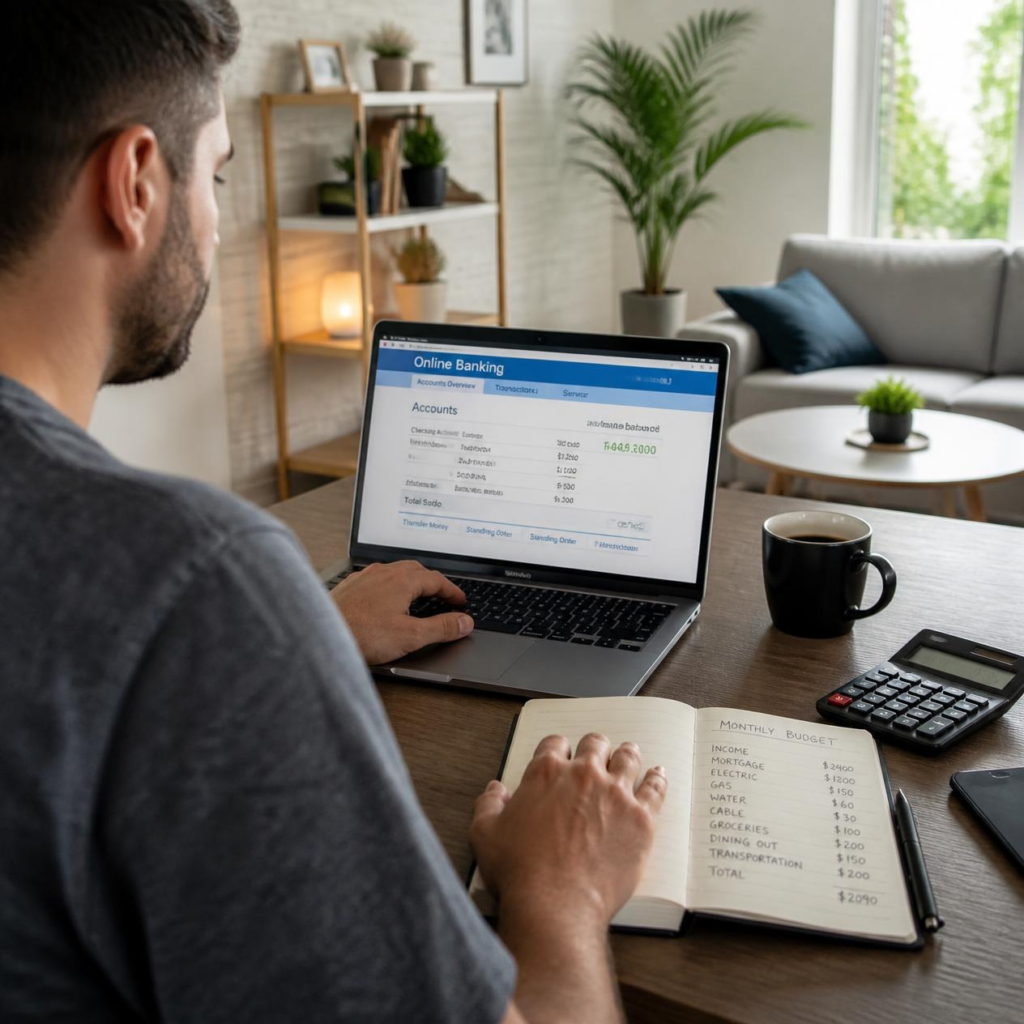
A high-yield savings account is a savings account that offers a much higher interest rate than a traditional savings account. Your deposits remain accessible while earning more through compound interest, making these accounts ideal for emergency funds and short- to medium-term savings goals.
A traditional savings account often pays only a small amount of interest, which means your money grows slowly.
A high-yield savings account works in the same basic way but offers a much higher Annual Percentage Yield (APY). This allows your balance to earn more interest over time without taking on investment risk.
Many of today’s highest APY savings accounts are offered by online banks. Since these institutions typically have lower operating costs than banks with large branch networks, they can often pass those savings on to customers through higher interest rates.
High-yield savings accounts are commonly used for:
- Emergency funds
- Home down payments
- Vacation savings
- Wedding expenses
- Car purchases
- Medical expenses
- General savings goals
Unlike investing in the stock market, your account balance does not fluctuate with market performance. Instead, your savings earn interest at the APY offered by the bank.
Key Features of a High-Yield Savings Account
Most quality accounts include:
- Higher APYs than traditional savings accounts
- Daily interest accrual with monthly payouts
- FDIC or NCUA insurance (within applicable limits)
- Online and mobile banking access
- No monthly maintenance fees on many accounts
- Automatic transfers from checking accounts
- Direct deposit options
- Easy account management through mobile apps
These features make high-yield savings accounts one of the most practical tools for growing cash while keeping it available when needed.
How Does a High-Yield Savings Account Work?
Quick Answer
Your bank pays interest on the money you deposit. Interest is usually calculated daily and paid monthly. As interest is added to your balance, future interest is earned on both your original deposit and previously earned interest, creating the effect of compound growth.
Here’s a simple example.
Imagine you deposit $10,000 into a high-yield savings account earning 4.00% APY.
Instead of earning only a few dollars over the year like many traditional savings accounts, your balance could grow by approximately $400 over 12 months if the APY remains unchanged and you make no withdrawals.
If you continue adding money every month, your savings can grow even faster because each new deposit also begins earning interest.
This combination of regular contributions and compound interest is one of the easiest ways to steadily build wealth without actively managing investments.
Understanding APY

What Is APY?
APY stands for Annual Percentage Yield. It shows how much you could earn over a year based on the account’s interest rate and the effect of compounding.
When comparing savings accounts, APY is usually more useful than the stated interest rate because it provides a standardized way to compare potential earnings.
Remember that many savings-account APYs are variable. The APY you see today may not be the APY you receive throughout the entire year.
Example of APY Growth
| Starting Balance | APY | Approximate Interest After One Year* |
|---|---|---|
| $1,000 | 4.00% | $40 |
| $5,000 | 4.00% | $200 |
| $10,000 | 4.00% | $400 |
| $25,000 | 4.00% | $1,000 |
| $50,000 | 4.00% | $2,000 |
*Example assumes the APY remains unchanged and no deposits or withdrawals are made during the year.
What Is Compound Interest?
Compound interest means you earn interest not only on your original deposit but also on the interest you’ve already earned.
For example:
- Month 1: You earn interest on $5,000.
- Month 2: You earn interest on $5,000 plus the interest from Month 1.
- Month 3: You continue earning on the growing balance.
Over time, this “interest on interest” effect can significantly increase your savings, especially when you make regular contributions.
Expert Tip
When comparing the best high-yield savings accounts, don’t focus only on the highest advertised APY. A slightly lower APY combined with no monthly fees, an excellent mobile app, strong customer support, and flexible transfer options may provide better long-term value than an account with a temporarily higher promotional rate.
Best High-Yield Savings Accounts at a Glance
Quick Answer
The best high-yield savings account isn’t always the one with the highest APY. The ideal choice combines a competitive interest rate, no monthly fees, strong customer experience, FDIC insurance, and features that match your savings goals.
Quick Comparison Table
| Bank | Best For | Typical APY* | Monthly Fee | Minimum Deposit | FDIC Insured |
|---|---|---|---|---|---|
| SoFi | Overall value | Competitive | $0 | $0 | Yes |
| Ally Bank | Everyday savers | Competitive | $0 | $0 | Yes |
| Capital One | Beginners | Competitive | $0 | $0 | Yes |
| Discover Bank | No fees | Competitive | $0 | $0 | Yes |
| Marcus by Goldman Sachs | Long-term savings | Competitive | $0 | $0 | Yes |
| American Express National Bank | Trusted brand | Competitive | $0 | $0 | Yes |
*APYs change frequently. Always verify the latest rate directly with the bank before opening an account.
Comparing savings accounts? Don’t stop at the APY.
The highest advertised APY isn’t always the best deal. Fees, minimum balances, account requirements, insurance coverage and access to your money can all affect the real value of a savings account.
Our free 2026 High-Yield Checking Account Checklist gives you a simple framework for comparing the details behind an advertised rate.
Get the Free EEZYPOST Checklist →
https://eezypost.kit.com/high-yield-checking-checklist
Free. Practical. No spam. Unsubscribe anytime.
Editor’s Top Picks
Our Featured Picks
The accounts below are included because they offer features that may appeal to different types of savers. The right choice depends on your priorities, and rates and account terms can change.
Rather than choosing a permanent “winner,” consider these accounts based on the features that may matter most to your financial situation.
🏆 Best Overall High-Yield Savings Account
SoFi
Why we like it
SoFi combines competitive savings rates with a modern banking experience, no monthly maintenance fees, and useful financial tools. Customers who want checking and savings under one platform often find it a convenient option.
Best for
- First-time savers
- Direct deposit users
- People wanting an all-in-one banking experience
Pros
- Competitive APY
- Excellent mobile app
- No monthly maintenance fee
- Easy account management
Considerations
- Some features may require additional account activity to unlock maximum benefits.
High-Yield Savings Account Calculator
Want to see how much your savings could grow? Use our calculator to estimate your earnings.
How to Calculate Your Savings Growth
How to Calculate Savings Growth
If you know the APY, you can estimate how much a lump-sum deposit may grow using:
A = P × (1 + APY)^t
Where:
- A = ending balance
- P = starting balance
- APY = annual percentage yield expressed as a decimal
- t = number of years
For example, $10,000 earning a constant 4.00% APY for one year would grow to approximately $10,400 before taxes, assuming no deposits, withdrawals or rate changes.
For accounts with regular monthly contributions, the actual calculation depends on the account’s compounding method and the timing of each deposit. A savings calculator can provide a more useful estimate than applying the simple lump-sum formula to monthly contributions.
Important: APYs are generally variable for high-yield savings accounts, so these examples are illustrations rather than guarantees of future earnings.
Example Savings Scenarios
| Starting Deposit | Monthly Contribution | APY | Time | Approx. Ending Balance* |
|---|---|---|---|---|
| $1,000 | $100 | 4.00% | 5 years | $7,835 |
| $5,000 | $200 | 4.00% | 5 years | $19,319 |
| $10,000 | $500 | 4.00% | 5 years | $45,256 |
| $25,000 | $1,000 | 4.00% | 10 years | $183,702 |
*Illustrations assume a constant 4.00% APY and monthly contributions made at the end of each month. Actual results will vary because savings APYs can change.
Example: $10,000 at a Constant 4.00% APY
| Year | Approximate Balance |
|---|---|
| 1 | $10,400 |
| 2 | $10,816 |
| 3 | $11,249 |
| 4 | $11,699 |
| 5 | $12,167 |
| 10 | $14,802 |
*Illustration assumes a constant 4.00% APY, annual compounding for simplicity, and no additional deposits or withdrawals. Actual bank calculations may differ slightly based on how interest is compounded and credited.
EEZYPOST Expert Tip
Even small monthly contributions can grow significantly over time. Consistency matters more than the size of the deposit. A $100 monthly contribution at 4% APY grows to $7,883 in 5 years — that’s $6,000 in deposits plus $1,883 in interest.
How to Open a High-Yield Savings Account (Step-by-Step)
Opening a high-yield savings account is straightforward. Most applications take less than 10 minutes.
Step 1: Compare Accounts
Use our comparison table above to narrow down your options. Consider APY, fees, minimum deposits, and mobile app quality.
Step 2: Verify FDIC Insurance
Confirm the bank is FDIC insured at fdic.gov. This protects your eligible deposits up to applicable limits.
Step 3: Gather Your Documents
You’ll typically need:
- Social Security Number
- Government-issued ID (driver’s license, passport)
- Contact information (email, phone, address)
- Employment information (some banks require this)
- Funding account details (to transfer your initial deposit)
Step 4: Apply Online
Most banks offer instant online applications. The process typically involves:
- Click “Open Account”
- Fill in personal information
- Choose account type
- Read and accept terms
- Submit application
Step 5: Fund Your Account
After approval:
- Link your checking account
- Make an initial deposit (if required)
- Set up recurring transfers
Step 6: Set Up Automatic Savings
Build the savings habit:
- Schedule monthly transfers on payday
- Use the “pay yourself first” method
- Start with any amount — even $25 per paycheck
EEZYPOST Expert Tip
Automatic transfers can make saving more consistent because the money is moved before you have a chance to spend it elsewhere.
⭐ Best for Everyday Savings
Ally Bank
Ally has built a strong reputation among online banks thanks to its easy-to-use website, budgeting tools, and customer-friendly policies.
It works especially well for people building:
- Emergency funds
- Vacation savings
- Home down payment savings
- Long-term cash reserves
Highlights
- No monthly maintenance fees
- User-friendly online banking
- Goal-based savings tools
- Strong customer satisfaction
⭐ Best for Beginners
Capital One
If you’re opening your first savings account, Capital One offers a simple experience with no monthly fees and an intuitive mobile app.
Many beginners appreciate:
- Easy application process
- Familiar banking brand
- Strong mobile experience
- No complicated requirements
⭐ Best No-Fee Savings Account
Discover Bank
For people who dislike unnecessary banking fees, Discover remains a strong choice.
Reasons include:
- No monthly maintenance fees
- Competitive savings rates
- Excellent online banking
- Trusted customer service
⭐ Best for Long-Term Savings Goals
Marcus by Goldman Sachs
Marcus focuses on straightforward savings rather than complex banking products.
Ideal for:
- Emergency funds
- Home purchases
- Major life goals
- Long-term cash savings
Customers appreciate its clean interface and uncomplicated account structure.
⭐ Best Trusted Banking Brand
American Express National Bank
Many consumers already recognize the American Express name.
Their savings account appeals to people looking for:
- Established financial institution
- Competitive interest
- Straightforward savings
- Reliable online banking
How We Selected These Accounts
We look beyond the advertised APY when evaluating savings accounts.
Important factors include:
- APY competitiveness
- Monthly maintenance fees
- Minimum opening deposit
- Minimum balance requirements
- FDIC or NCUA insurance
- Account accessibility
- Transfer options
- Online and mobile banking experience
- Customer support
- Overall account simplicity
Because rates and account terms can change, this guide is intended to help readers understand what to compare rather than suggest that one bank will always be the best option.
What Makes a Great High-Yield Savings Account?
When comparing options, focus on these five essentials:
1. Competitive APY
A higher APY can significantly increase your earnings over time, especially with larger balances.
2. No Monthly Fees
Monthly maintenance fees reduce your interest earnings. Many leading online savings accounts eliminate these charges entirely.
3. FDIC Insurance
Choose an account backed by FDIC insurance (or NCUA insurance for eligible credit unions) so your deposits are protected up to applicable limits.
4. Easy Online Banking
A modern website and mobile app should make it simple to:
- Deposit money
- Transfer funds
- Monitor interest earned
- Set savings goals
- Receive account alerts
5. Flexible Access to Your Money
Your savings should remain available when needed, while still encouraging long-term saving habits.
Expert Insight
The highest advertised APY isn’t always the best long-term choice. Interest rates can change over time, so it’s worth considering the overall banking experience, customer support, fee structure, and digital tools alongside the advertised yield. A well-rounded account often provides better value than one offering only a short-term promotional rate.
Detailed Reviews of the Best High-Yield Savings Accounts
Editor’s Note: Interest rates, promotional offers, and account features may change over time. Always confirm the latest APY, fees, and eligibility requirements on the bank’s official website before opening an account.

1. SoFi Savings
🏆 Best for an All-in-One Digital Banking Experience
SoFi
Why We Recommend It
Why It Stands Out
SoFi can be a strong option for people who want checking and savings together with a digital-first banking experience. Its savings APY, eligibility requirements and promotional terms can change, so check the current details directly with SoFi before opening an account.
This makes it a strong choice for people who want to manage their everyday banking and long-term savings in one place.
Best For
- First-time savers
- Young professionals
- Direct deposit users
- Digital banking customers
- Emergency fund builders
Pros
- Competitive APY
- No monthly maintenance fee
- Easy online account management
- Modern mobile banking experience
- Checking and savings integration
Considerations
- Some benefits may require qualifying account activity.
- Branch access is more limited than with traditional banks.
2. Ally Bank High Yield Savings Account
Best for Everyday Savings
Ally Bank has earned a strong reputation for making saving simple. Its online platform is designed for people who want a straightforward account with helpful budgeting and savings tools.
Why We Recommend It
Ally focuses on helping customers build consistent saving habits rather than offering short-term promotional features. Its “bucket” system allows users to organize savings for different financial goals within one account.
Ideal For
- Emergency funds
- Home down payment savings
- Holiday savings
- Long-term financial planning
Advantages
- User-friendly website
- Excellent mobile application
- Goal-based savings features
- No monthly maintenance fee
- Competitive ongoing APY
Potential Drawbacks
- No physical branch network.
- Cash deposits may require extra steps compared with traditional banks.
3. Capital One 360 Performance Savings
Best for Beginners
Capital One offers one of the easiest savings experiences for people opening their first high-yield savings account.
The application process is straightforward, and customers benefit from an established banking brand with a polished digital experience.
Best For
- College students
- First-time savers
- Families
- New online banking users
What We Like
- No monthly fees
- No minimum opening deposit
- Well-designed mobile app
- Simple account setup
- Trusted banking brand
Things to Consider
- APY may not always be the highest available in the market.
- Premium features are fewer than some fintech competitors.
4. Discover Online Savings Account
Best No-Fee Savings Account
Discover Bank is known for eliminating unnecessary fees while maintaining a simple, customer-friendly experience.
For savers who want predictable banking without worrying about maintenance charges, Discover is a dependable option.
Best For
- Fee-conscious savers
- Emergency savings
- General household savings
- Long-term cash reserves
Pros
- No monthly maintenance fees
- Competitive savings rates
- Easy online banking
- Helpful customer service
Cons
- Fewer banking products than some competitors.
- APYs can fluctuate with market conditions.
5. Marcus by Goldman Sachs
Best for Long-Term Savings Goals
Marcus by Goldman Sachs takes a straightforward approach to savings by focusing on competitive interest rates and a clean online experience.
Its simplicity appeals to customers who don’t need advanced budgeting tools and simply want their savings to grow steadily.
Best For
- House down payments
- Large purchases
- Emergency funds
- Long-term savings goals
Strengths
- Simple account structure
- Competitive APY
- No monthly maintenance fee
- Strong reputation
Considerations
- Limited product ecosystem compared with full-service banks.
- Fewer built-in budgeting tools.
6. American Express High Yield Savings Account
Best Trusted Financial Brand
American Express National Bank combines the reputation of a well-known financial institution with a competitive online savings product.
It appeals to customers who already use American Express services or prefer an established financial brand.
Best For
- Existing American Express customers
- Conservative savers
- Long-term savings
- Emergency funds
Advantages
- Trusted brand
- Competitive savings rate
- No monthly maintenance fee
- Straightforward online experience
Possible Drawbacks
- Fewer advanced savings features than some online-only competitors.
- APYs may change as interest rate environments shift.
What to Look for in Customer Experience
Before opening an account, consider:
- How easy is it to contact customer support?
- Does the bank offer phone, chat or secure messaging?
- Is the mobile app easy to use?
- How quickly can you transfer money?
- Are there complaints about account access or transfer delays?
- Does the bank clearly explain its fees and account requirements?
Customer reviews can provide useful context, but they should be treated as one signal rather than definitive proof of a bank’s quality.
EEZYPOST Expert Tip
If you’re building an emergency fund, prioritize reliability, accessibility, and no monthly fees over chasing a slightly higher APY. A difference of a few tenths of a percentage point is often less valuable than having an account that’s easy to use, well-supported, and aligned with your long-term financial goals.
Best High-Yield Savings Accounts by Use Case
Not every saver has the same financial goals. The right account depends on how you plan to use your savings, how often you need access to your money, and which features matter most to you.
Instead of choosing an account solely because it advertises the highest APY, consider the combination of interest rate, fees, accessibility, account requirements, and overall banking experience.
Best High-Yield Savings Account for Beginners
Winner: Capital One 360 Performance Savings
Why It Stands Out
If you’re opening your first savings account, simplicity matters. Capital One offers a straightforward online savings experience, no monthly maintenance fee, and an established banking platform that can be easy for new savers to understand.
It’s a practical option for people who want to start saving without dealing with complicated account requirements.
Ideal for:
- Students
- Young professionals
- First-time savers
- People switching from a traditional savings account
Why beginners may like it:
- No monthly maintenance fee
- No minimum opening deposit
- Easy-to-use mobile and online banking
- Established banking brand
- Simple account structure
Expert Tip: The best first savings account is one you’ll actually use consistently. Setting up automatic transfers can have a greater impact on your savings than chasing a small difference in APY.
Best High-Yield Savings Account for No Monthly Fees
Winner: Discover Online Savings
Monthly maintenance fees can reduce the benefit of earning interest. An account with no monthly maintenance fee allows more of your money to remain in the account and continue earning interest.
Why it stands out:
- No monthly maintenance fee
- Competitive savings rates
- Simple online banking
- Established financial institution
- Easy account management
Before opening an account, always verify the current fee schedule because banks can change account terms over time.
Best High-Yield Savings Account With No Minimum Opening Deposit
Winner: Ally Bank
An account with no minimum opening deposit can make it easier to start saving, particularly if you don’t have a large amount of money available initially.
Best for:
- New savers
- College students
- Young families
- Budget-conscious households
Ally also offers savings tools designed to help customers organize money around different financial goals.
Remember: Building the habit of saving regularly can be more important than making a large initial deposit.
Best High-Yield Savings Account for an Emergency Fund
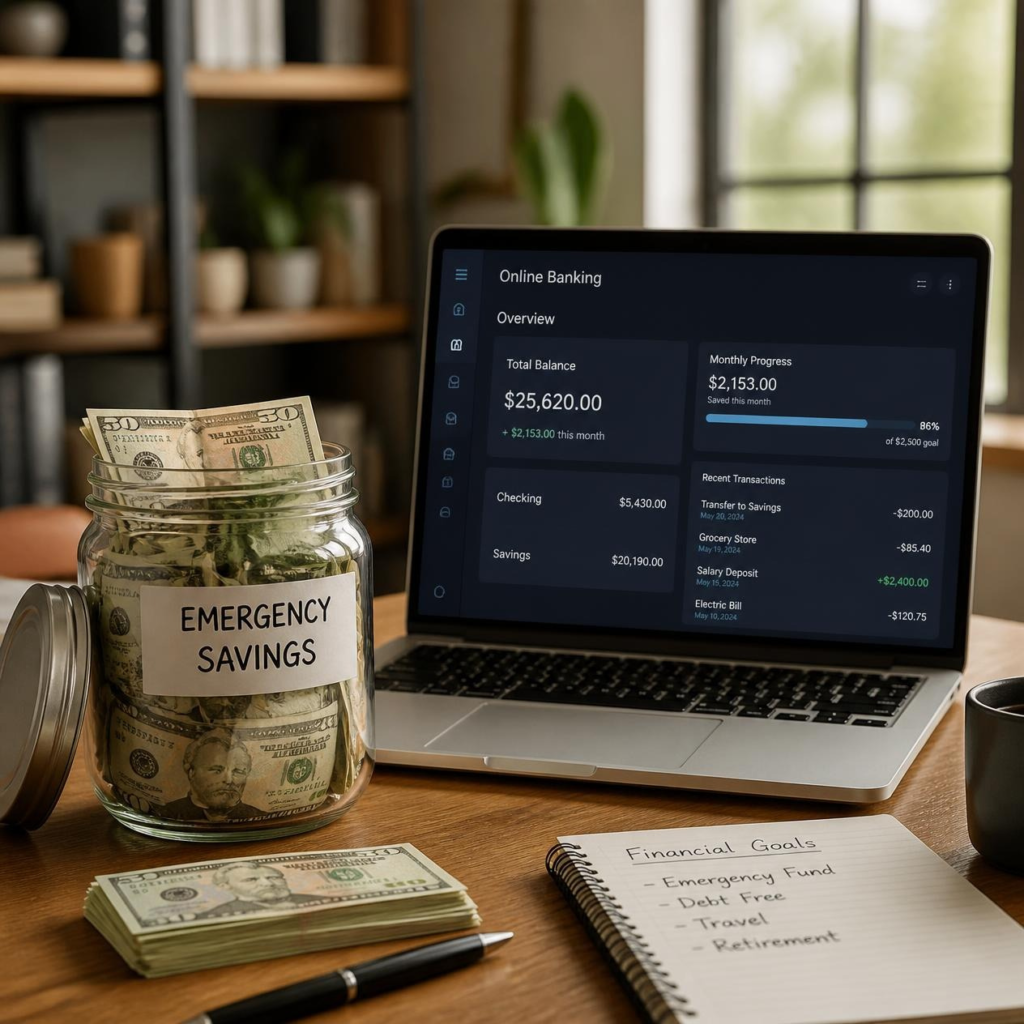
An emergency fund should prioritize safety, accessibility, and reasonable interest earnings. You don’t want to lock emergency savings away in an account that makes accessing the money unnecessarily difficult.
Winner: Ally Bank
Ally is a strong option for emergency savings because its savings tools can help users organize money around different goals while keeping the account accessible through online and mobile banking.
Emergency fund checklist:
- FDIC insurance at an eligible bank
- Competitive APY
- No monthly maintenance fee
- Convenient transfers
- Reliable online access
- Clear account terms
How Much Should You Keep in an Emergency Fund?
There is no universal number that works for everyone. A common guideline is to keep enough savings to cover three to six months of essential living expenses.
If your income is irregular or your employment situation is less predictable, you may want a larger emergency cushion.
The important thing is to build the fund gradually and keep it somewhere that is both accessible and reasonably productive.
Best High-Yield Savings Account for Large Balances
Winner: SoFi
When you maintain a larger savings balance, even a relatively small difference in APY can affect how much interest you earn.
However, don’t choose an account based solely on the rate. Larger-balance savers should also consider:
- Current APY
- Monthly fees
- Account requirements
- Transfer limits and flexibility
- FDIC insurance coverage
- Overall banking experience
Because savings rates can change, verify the current APY directly with the bank before opening an account.
Best High-Yield Savings Account for Mobile Banking
Winner: SoFi
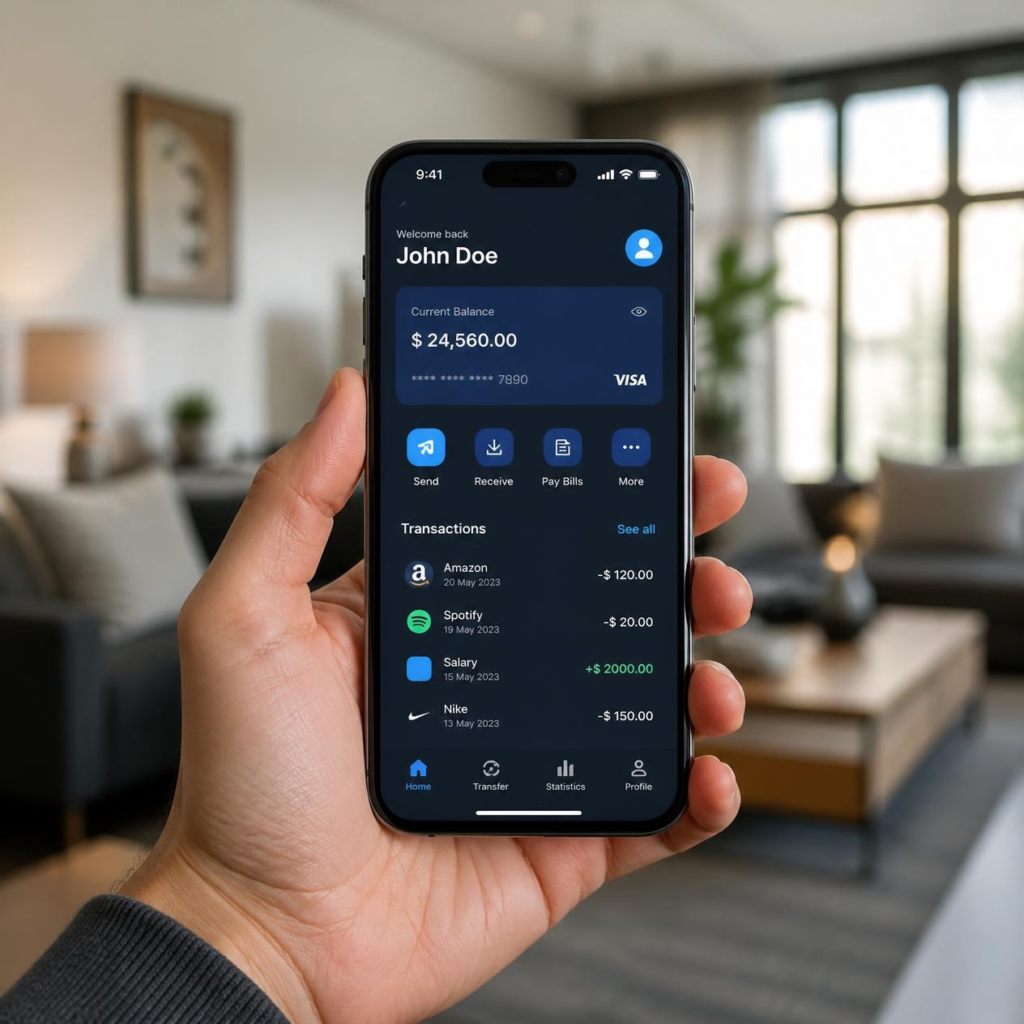
For people who manage most of their finances from a phone, the quality of a bank’s mobile experience can make a meaningful difference.
A good banking app should make it easy to:
- Check your balance
- Transfer money
- Monitor interest earnings
- Set up automatic deposits
- Manage account settings
- Receive account alerts
A convenient digital experience can also make it easier to maintain consistent savings habits.
Best High-Yield Savings Account for a Trusted Financial Brand
Winner: American Express National Bank
Some savers prefer working with an established financial institution they already recognize.
American Express National Bank can appeal to people who value a familiar brand and a straightforward online savings experience.
Best for:
- Existing American Express customers
- Savers who prefer established financial institutions
- Emergency savings
- Long-term cash savings
As with any savings account, compare the current APY, fees, account requirements, and insurance coverage before opening an account.
How to Choose Between These Accounts
Your personal situation should determine which features matter most.
| If you want… | Consider… |
|---|---|
| A simple first savings account | Capital One 360 Performance Savings |
| No monthly maintenance fee | Discover Online Savings |
| No minimum opening deposit | Ally Bank |
| An emergency fund | Ally Bank |
| A digital banking experience | SoFi |
| A familiar financial brand | American Express National Bank |
These are use-case recommendations, not guarantees that one account will always have the highest APY or be the best option for every reader. Savings rates and account terms can change, so verify the latest information before applying.
EEZYPOST Expert Tip: Don’t choose a savings account based on one feature alone. The best account is the one that combines competitive interest, reasonable fees, convenient access, appropriate insurance protection, and features that fit the way you actually save.
Are High-Yield Savings Accounts Safe?
Quick Answer:
An FDIC-insured high-yield savings account can be a relatively low-risk place to keep cash because eligible deposits are protected within applicable federal insurance limits.
Unlike investments such as stocks, the balance in a savings account does not normally fluctuate because of daily market movements. Instead, the account earns interest according to the bank’s current APY.
Before opening an account:
- Confirm that the bank is FDIC insured.
- Understand the applicable deposit-insurance limits.
- Review the account’s fees and terms.
- Use strong passwords and multi-factor authentication.
- Monitor your account regularly for unauthorized activity.
Credit unions may instead provide federal deposit insurance through the National Credit Union Administration (NCUA), subject to applicable limits and requirements.
Safety is one of the biggest reasons millions of Americans choose high-yield savings accounts.
Unlike investments, your balance doesn’t rise and fall based on market conditions. Instead, your money earns interest while remaining protected under federal deposit insurance when held at eligible institutions.
To verify whether a bank is federally insured and understand how deposit insurance protects eligible deposits, visit the official Federal Deposit Insurance Corporation (FDIC) website. It provides detailed guidance on insurance coverage limits, account ownership categories, and tools to help consumers confirm a bank’s FDIC status.
To maximize protection:
- Confirm the bank is FDIC insured.
- Understand the applicable coverage limits.
- Use strong passwords and multi-factor authentication for online banking.
Can You Lose Money in a High-Yield Savings Account?
Quick Answer:
Under normal circumstances, your deposit balance does not fluctuate with stock-market movements simply because the account is a high-yield savings account.
However, your overall financial outcome can still be affected by:
- Account fees
- Fraud or unauthorized account access
- Changes in the APY
- Inflation reducing purchasing power
If the account is at an FDIC-insured bank, eligible deposits receive federal deposit insurance within applicable coverage limits.
This protection is one reason insured savings accounts are commonly used for emergency funds and other cash that needs to remain relatively accessible.
Most people associate “losing money” with market investments.
High-yield savings accounts work differently.
Your balance does not decrease because of market performance. However, there are a few situations to keep in mind:
- Monthly maintenance fees can reduce your earnings.
- Inflation may outpace your interest rate.
- Fraud or account compromise can create problems if you don’t protect your account credentials.
Choosing a reputable bank and practicing good online security can help minimize these risks.
How Much Money Should You Keep in Savings?
There’s no single amount that works for everyone.
A common starting point is to build an emergency fund covering approximately three to six months of essential living expenses. The right amount depends on factors such as income stability, household expenses, debt obligations and how quickly you could replace your income.
For example:
| Monthly Essential Expenses | Approximate 3-Month Fund | Approximate 6-Month Fund |
|---|---|---|
| $2,000 | $6,000 | $12,000 |
| $3,000 | $9,000 | $18,000 |
| $4,000 | $12,000 | $24,000 |
| $5,000 | $15,000 | $30,000 |
If your income is unpredictable or you have fewer sources of financial support, you may prefer a larger emergency reserve.
The goal is not to reach a perfect number immediately. Building the fund gradually through consistent contributions can make the target more manageable.
EEZYPOST Expert Tip
Think of a high-yield savings account as the foundation of your financial plan, not the entire plan. It’s the ideal place for emergency savings and near-term goals because it offers security, liquidity, and steady interest. Once you’ve built a solid cash reserve, you can explore other financial strategies for long-term wealth creation based on your goals and risk tolerance.
Frequently Asked Questions (FAQ)
What is a high-yield savings account?
A high-yield savings account is a savings account that pays a higher Annual Percentage Yield (APY) than a traditional savings account. It’s designed to help your money grow faster while keeping your funds accessible for future needs.
How does APY work?
APY, or Annual Percentage Yield, represents the total amount of interest you can earn in one year, including the effect of compound interest. When comparing savings accounts, APY provides a more complete picture than the basic interest rate.
Are high-yield savings accounts safe?
Yes. High-yield savings accounts offered by FDIC-insured banks are considered one of the safest places to keep cash. Eligible deposits are protected up to applicable federal insurance limits.
Can you lose money in a high-yield savings account?
Your deposited balance doesn’t fluctuate with the stock market. However, fees, inflation, or unauthorized account access can reduce the overall value or purchasing power of your money if you’re not careful.
Which bank has the highest APY?
There is no permanent answer because savings-account APYs can change. Promotional rates may also have eligibility requirements or limited durations.
Instead of choosing an account solely because it currently advertises the highest APY, compare the APY, fees, minimum requirements, insurance coverage, access to your money and overall account features.
Always verify the current rate and account terms directly with the bank before opening an account.
Are online banks safe?
Yes. Reputable online banks use advanced security features such as encryption, fraud monitoring, and multi-factor authentication. As long as the institution is FDIC insured and follows industry security standards, online banking can be a safe option.
Is a high-yield savings account better than a traditional savings account?
For most savers, yes. A high-yield savings account generally offers a much higher APY while providing similar accessibility and security.
Should I choose a CD instead?
A Certificate of Deposit (CD) may be a better choice if you won’t need your money for a fixed period and prefer a guaranteed interest rate. If flexibility is important, a high-yield savings account is usually the better option.
How much money should I keep in savings?
Many financial experts recommend saving enough to cover three to six months of essential living expenses. Your ideal amount depends on your income, job stability, and financial obligations.
Can I open more than one high-yield savings account?
Yes. Many people use multiple savings accounts for different goals, such as an emergency fund, travel, home repairs, or holiday spending.
Is there a minimum balance requirement?
It depends on the bank. Some accounts have no minimum balance requirement, while others require a certain balance to avoid fees or earn the highest available APY.
How often do interest rates change?
Banks may adjust APYs in response to changes in the broader interest rate environment. This means today’s top-paying account may not remain the highest-paying account indefinitely.
Changes in savings account APYs are often influenced by broader economic conditions and monetary policy. For reliable information on interest rates, inflation, and the U.S. economy, visit the official Federal Reserve website, which publishes educational resources and economic updates that help explain why savings rates rise or fall over time.
What’s the difference between APY and interest rate?
The interest rate is the basic percentage a bank pays on your deposits. APY includes the effect of compound interest, making it the better metric for comparing savings accounts.
Can I use a high-yield savings account for everyday spending?
You can transfer money out when needed, but these accounts are designed primarily for saving rather than everyday purchases. A checking account is generally a better option for daily transactions.
Is a high-yield savings account worth it?
Yes, especially if you’re building an emergency fund or saving for short- to medium-term goals. A HYSA offers significantly higher interest than traditional savings accounts while keeping your money accessible.
Is a HYSA safe if the bank fails?
Yes, if the bank is FDIC insured. Eligible deposits are protected up to $250,000 per depositor, per insured bank, per ownership category.
Do I Have to Pay Taxes on HYSA Interest?
Generally, yes. Interest earned from a savings account is generally taxable income for federal tax purposes.
The IRS generally requires financial institutions to issue Form 1099-INT when reportable interest reaches $10 or more, but you generally still must report taxable interest even if you do not receive a Form 1099-INT.
Tax treatment can vary depending on your circumstances, so consult a qualified tax professional if you need advice about your specific situation.
Can I Transfer Money From a High-Yield Savings Account?
Yes. Most high-yield savings accounts allow you to transfer money to and from linked bank accounts, although transfer methods, processing times and limits vary by institution.
Before opening an account, check how long transfers typically take and whether the bank places any restrictions or fees on certain types of transfers.
.
People Also Ask
Is a high-yield savings account worth it?
Yes, especially if you want to earn more interest on cash that you may need within the next few months or years. Compared with many traditional savings accounts, a high-yield savings account offers a simple way to increase your earnings while keeping your money accessible.
What happens if interest rates fall?
If market interest rates decline, banks may reduce the APY on savings accounts. Your money remains safe, but your future interest earnings may decrease until rates rise again.
Can I transfer money anytime?
Most banks allow electronic transfers between your checking and savings accounts. Transfer speed and limits depend on the bank’s policies and the payment method used.
Should I move all my money into a high-yield savings account?
Not necessarily. A high-yield savings account is best suited for emergency funds and short- to medium-term savings goals. Long-term financial objectives may benefit from different strategies depending on your personal circumstances and risk tolerance.

Final Verdict
A high-yield savings account remains a useful place to keep cash you may need for emergencies or near-term financial goals that you may need in the future. It combines higher interest earnings, federal deposit insurance at eligible institutions, and convenient access to your money without exposing your savings to stock market volatility.
While many banks compete by advertising the highest APY, the best choice isn’t always the one with the biggest headline number. Look for an account that offers a competitive yield, no monthly maintenance fees, a strong mobile banking experience, reliable customer support, and features that align with your financial goals.
Whether you’re building your first emergency fund, saving for a home, planning a vacation, or simply looking for a better alternative to a traditional savings account, choosing the right high-yield savings account can help your money work harder while remaining safe and accessible.
If buying a home is one of your financial goals, don’t miss our Housing Market Today: Best Home Prices & Mortgage Rates Guide, where we explain how current mortgage rates and home prices can affect your savings timeline and purchasing power.
EEZYPOST Expert Recommendation
If you’re opening your first high-yield savings account:
- Choose a bank with no monthly maintenance fees.
- Verify that it’s FDIC insured.
- Set up automatic monthly transfers to build your savings consistently.
- Review your account periodically to ensure it remains competitive.
- Focus on long-term saving habits rather than chasing temporary promotional APYs.
Small, consistent deposits combined with compound interest can make a meaningful difference over time.
Before you choose a high-yield savings account, check the details.
APY is important—but it’s only one part of the decision.
Use the free EEZYPOST 2026 High-Yield Checking Account Checklist to review rates, balance requirements, fees, account conditions and other details that can affect what your money actually earns.
Download the Free Checklist →
https://eezypost.kit.com/high-yield-checking-checklist
Free from EEZYPOST. Practical information for smarter banking decisions.
Quick Takeaways
✔ High-yield savings accounts typically pay significantly more interest than traditional savings accounts.
✔ APY is the most important metric when comparing interest earnings, but it shouldn’t be the only factor.
✔ Most leading accounts have no monthly maintenance fees and are offered by online banks.
✔ FDIC insurance protects eligible deposits up to applicable federal limits.
✔ A high-yield savings account is an excellent choice for emergency funds and short-term savings goals.
✔ Compare APY, fees, mobile banking, customer service, and account requirements before making a decision.
Ready to grow your savings? Compare the latest APYs, account features, and fees before opening your account, and revisit this guide regularly as rates and offers change throughout the year.






Leave a Reply