

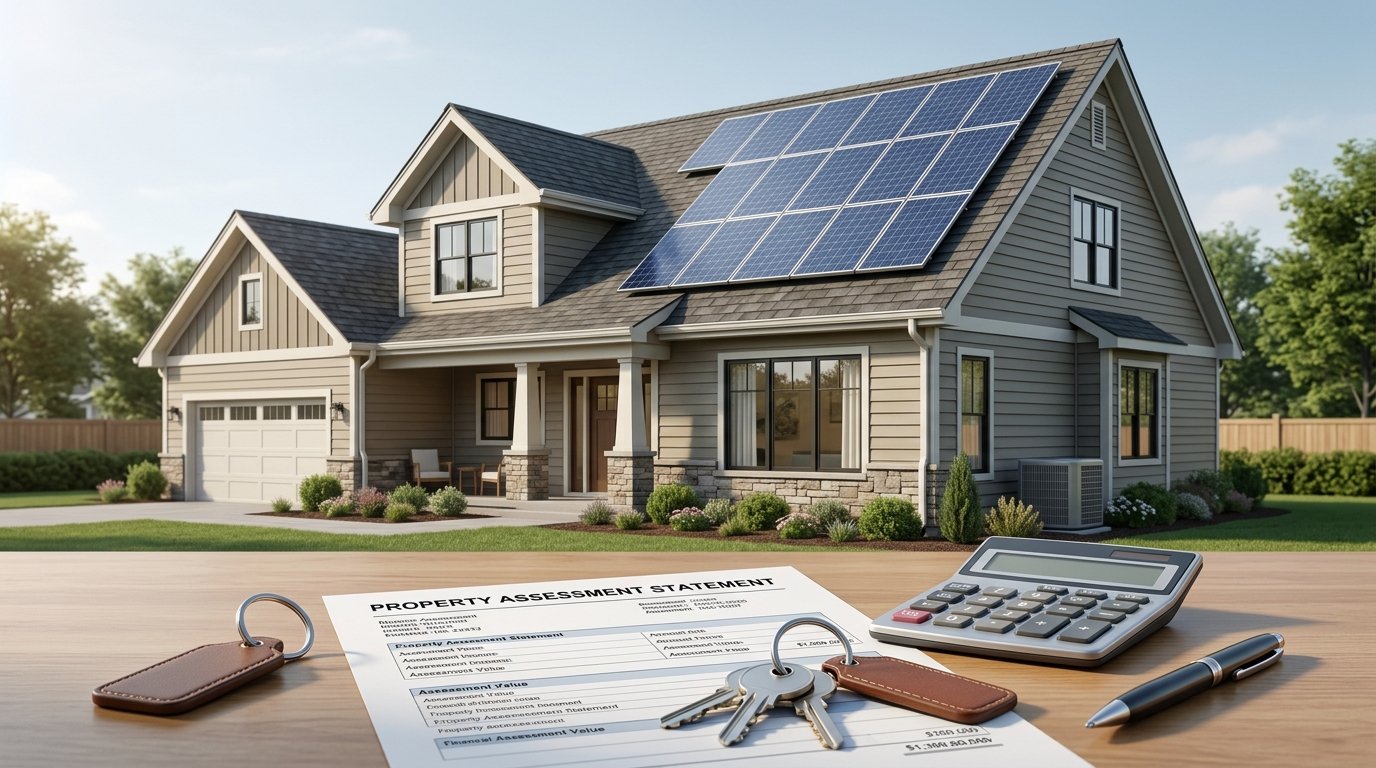
PACE financing can help eligible homeowners pay for certain energy-efficiency, renewable-energy, and other qualifying property improvements without paying the full project cost upfront. But PACE works differently from many traditional financing options because the obligation is tied to the property and can affect your mortgage, future sale, refinancing options, and total financing cost.
In 2026, there is another important development: covered residential PACE transactions are subject to federal ability-to-repay requirements under Regulation Z. The Consumer Financial Protection Bureau’s rule became effective March 1, 2026, bringing covered residential PACE financing under federal consumer-credit protections.
So, is PACE financing a good idea? It depends on the specific financing terms, the project, your property, and your plans for the home.
That makes the pros and cons of PACE financing especially important to understand before signing an agreement.
Quick Answer
PACE financing is a property-based way to finance certain qualifying improvements, with repayment generally collected through a property-related assessment. It can reduce the amount of cash needed upfront, but homeowners need to consider the total financing cost, lien implications, and potential effects on selling or refinancing the property. Covered residential PACE transactions are subject to federal ability-to-repay requirements beginning March 1, 2026.
What Is PACE Financing?
PACE stands for Property Assessed Clean Energy.
PACE financing is a way to finance certain improvements to a property, with repayment generally collected through a property-related assessment rather than through a conventional monthly loan payment alone. Residential PACE programs can be used for qualifying improvements such as energy-efficiency upgrades and renewable-energy projects, depending on the applicable program and local rules.
The important distinction is that the financing becomes connected to the property.
Instead of looking only at the borrower’s monthly loan payment, a homeowner needs to understand how the PACE assessment interacts with the property’s tax bill, existing mortgage, future sale, and refinancing.
The CFPB describes PACE financing as financing for home improvements that results in a tax assessment on the consumer’s real property.
What Does PACE Stand For?
PACE means Property Assessed Clean Energy.
The name describes the basic structure:
- Property assessed: The obligation is connected to the property.
- Clean energy: PACE was created primarily around qualifying energy-related improvements.
- Financing: The project is financed rather than paid entirely upfront.
The exact improvements that qualify depend on the applicable PACE program.
Is PACE Financing Actually a Loan?
This is where homeowners need to be careful with terminology.
PACE financing is repaid through a property-related assessment, which makes it different from a conventional personal loan. However, covered residential PACE financing is treated as credit under federal consumer-finance law.
The CFPB’s final rule specifically clarifies that covered residential PACE financing falls within the definition of credit under the Truth in Lending Act and Regulation Z and establishes ability-to-repay requirements.
So it is more accurate to describe PACE as property-based financing with a specific assessment-based repayment structure. Homeowners should not assume that PACE has the same terms, protections, lien structure, or refinancing consequences as a conventional personal loan or home-equity product.
How Does PACE Financing Work?
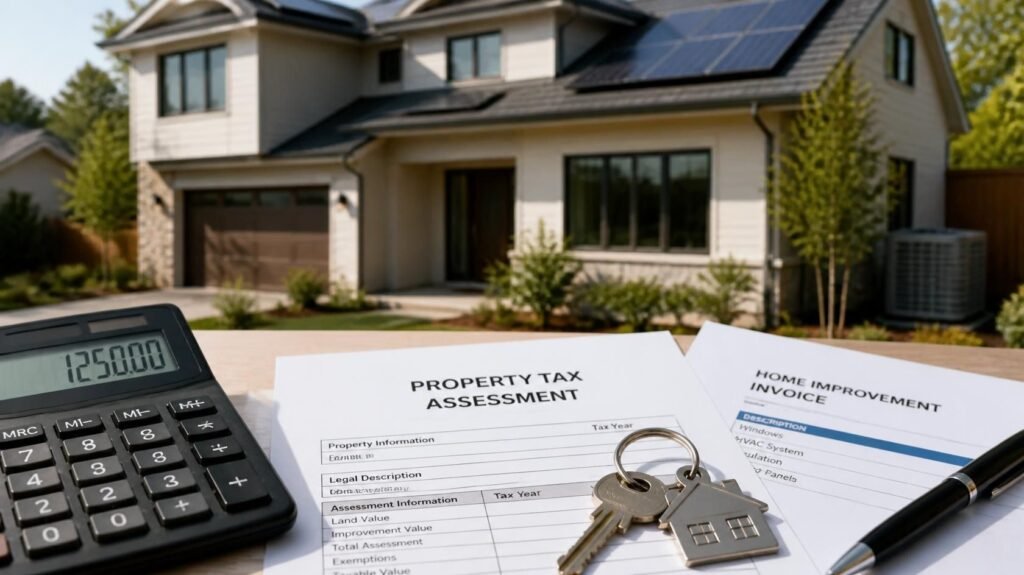
The exact process varies by state, local jurisdiction, and program, but the general process looks like this:
1. Identify an eligible improvement
The homeowner first determines what work needs to be completed.
Depending on the program, eligible projects may include certain energy-efficiency improvements, renewable-energy systems, and other qualifying upgrades.
2. Check whether PACE is available
PACE is not automatically available everywhere.
The homeowner must determine whether a residential PACE program operates in the relevant location and whether the property and proposed project qualify.
3. Apply through the applicable program or provider
The homeowner provides the information required by the applicable program and financing provider. Requirements can vary depending on the property, project, jurisdiction, and applicable rules.
This may include property information, existing obligations, project details, income or repayment information, and other underwriting documentation.
4. The financing and project are evaluated
The program or financing provider evaluates the transaction under its applicable requirements.
Since the CFPB’s residential PACE rule became effective in 2026, covered transactions are subject to federal ability-to-repay requirements.
5. The project is completed and the obligation is repaid
Once financing is finalized and the improvement is completed, repayment is generally collected through the applicable property-related assessment.
The homeowner therefore needs to understand both the project economics and the financing economics.
A project that saves money does not automatically make expensive financing a good deal.
PACE Financing Requirements in 2026

There is no single nationwide checklist that applies identically to every PACE transaction.
Requirements can depend on the state, local program, property type, improvement, financing provider, and applicable federal and state rules.
There is no single nationwide checklist that guarantees PACE eligibility. Requirements can vary by jurisdiction and program, so homeowners should verify the current requirements for the specific property rather than relying on an older national checklist.
Potential eligibility factors can include:
- Property location
- Property ownership
- Property type
- Property-tax status
- Existing mortgage obligations
- Eligible project type
- Contractor requirements
- Property and project documentation
- Ability to repay
- Program-specific underwriting requirements
What Changed for Residential PACE in 2026?
This is one of the most important updates for homeowners.
The CFPB issued its residential PACE final rule on December 17, 2024, with an effective date of March 1, 2026.
The rule treats covered residential PACE financing as credit under the Truth in Lending Act and Regulation Z and requires the creditor to make a reasonable and good-faith determination that the consumer has the ability to repay the obligation.
This does not create one universal PACE credit-score requirement. The applicable program and creditor can still have their own eligibility and underwriting criteria.
That means homeowners should be skeptical of old descriptions of PACE as simply a financing option with “no credit check” or no meaningful repayment evaluation.
The rule does not mean every PACE program uses the same credit-score requirement. Instead, the relevant question is whether the homeowner can reasonably afford the obligation under the applicable underwriting requirements.
PACE Financing Pros and Cons
PACE financing can be useful in the right circumstances, but the structure creates risks that are easy to overlook if you focus only on the upfront project cost.

Pros of PACE Financing
Potentially less upfront cash
PACE financing can allow a homeowner to finance an eligible improvement instead of paying the entire project cost from savings.
That can be useful for a large improvement that would otherwise require significant cash.
Designed for qualifying property improvements
PACE programs are specifically associated with property improvements, particularly energy-related projects.
Depending on the program, this may include improvements such as solar energy systems, energy-efficiency upgrades, or other qualifying work.
Longer repayment periods may reduce periodic payments
A longer repayment period can make a large project easier to fit into a household budget.
However, homeowners should remember that a lower periodic payment does not necessarily mean lower total cost.
Longer financing can result in more interest and other financing costs over time.
May provide another financing option
PACE can give eligible homeowners another option to compare with conventional financing.
That does not automatically make it the cheapest option.
The right comparison is the actual PACE offer against the actual alternatives available to the homeowner.
Cons of PACE Financing
The total financing cost can be significant
Interest, fees, and a long repayment term can make the total amount repaid considerably higher than the original project price.
Always look beyond the periodic payment.
The obligation is connected to the property
This is one of the biggest differences between PACE and many other forms of consumer financing.
The obligation can create a lien or assessment that affects future property transactions.
Selling the property can become more complicated
A homeowner should not assume that a buyer will automatically accept the remaining PACE obligation.
The buyer’s mortgage lender may also have its own requirements.
Even if a PACE assessment can remain associated with the property, you should not assume that a buyer’s lender will accept it.
Refinancing can be affected
An outstanding PACE obligation can create issues for mortgage refinancing, particularly when the PACE lien has priority over the first mortgage.
Availability is limited
PACE programs are not universally available in every location.
A homeowner must check the actual program availability for the property.
Contractor quality matters
Homeowners should independently evaluate contractors rather than assuming that a contractor’s financing recommendation is automatically the best option.
A financing program does not guarantee that the underlying project is fairly priced or professionally performed.
How Much Does PACE Financing Cost?
There is no single PACE financing rate or fee structure that applies to every homeowner.
The actual cost depends on the financing agreement and applicable program.
When comparing PACE financing, look at:
Don’t compare PACE offers by monthly payment alone. A longer repayment period can make the periodic payment look lower while increasing the total amount paid over the life of the financing.

| Cost factor | Why it matters |
|---|---|
| Interest rate | Determines the cost of borrowing |
| APR | Helps compare the overall financing cost |
| Fees | Can increase the effective cost |
| Repayment term | Longer terms can reduce payments but increase total interest |
| Amount financed | Determines the starting obligation |
| Total repayment | Shows what the financing may cost over its full term |
| Prepayment terms | Important if you expect to sell or refinance |
| Project price | Financing does not make an overpriced project a good deal |
Should You Compare PACE by Monthly Payment?
No.
A financing offer with a lower payment can still cost significantly more over the full repayment period.
For example, suppose one option finances a $25,000 improvement for a shorter period while another spreads repayment over many more years.
The second option could produce a smaller periodic payment but substantially more total interest.
That is why homeowners should compare APR, fees, repayment period, and total repayment, not just the payment amount.
Does PACE Financing Put a Lien on Your Property?
A PACE obligation can create a property-related lien, and lien priority is one of the most important issues to understand before signing. Fannie Mae says PACE loans typically have automatic first-lien priority over previously recorded mortgages.

Fannie Mae’s current guidance says PACE loans typically have automatic first-lien priority over previously recorded mortgages. Fannie Mae also says it will not purchase mortgage loans secured by properties with an outstanding PACE loan when the PACE program provides lien priority over the first mortgage.
This does not mean every PACE transaction will be handled identically by every lender.
It does mean homeowners should understand the relationship between the PACE obligation and their existing mortgage.
Why Does PACE Lien Priority Matter?
A mortgage lender cares about its position relative to other liens on the property.
If a PACE obligation has priority over the first mortgage, that can create underwriting and refinancing complications.
This is why the PACE lien should never be treated as a minor technical detail.
Before signing, ask your mortgage servicer or lender how an outstanding PACE obligation would affect your existing mortgage and any future refinance.
What is the lien position, and how will my existing mortgage lender treat it?
Can You Sell a Home With a PACE Loan?
Selling a property with an outstanding PACE obligation can require additional planning.
The key mistake to avoid is assuming that the buyer will automatically take over the remaining obligation.
The actual treatment can depend on the PACE program, the property, the purchase contract, the buyer, and the buyer’s mortgage lender.
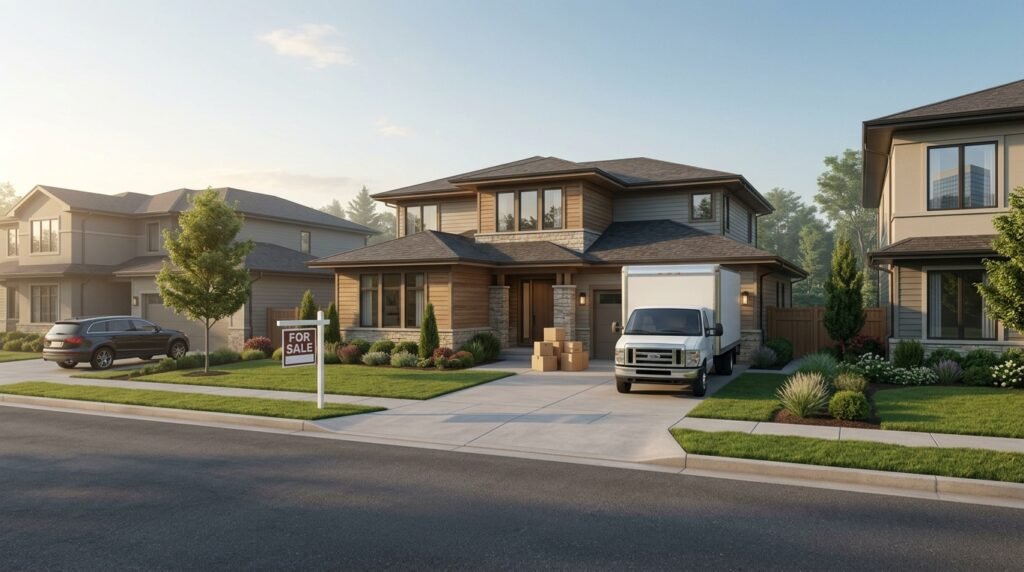
Before listing the home, request information about:
- Current payoff amount
- Remaining balance
- Transfer rules
- Whether the assessment can remain with the property
- Whether the buyer’s lender will accept the arrangement
- Whether payoff is required
If you are considering selling soon, these questions should be answered before committing to PACE financing.
Can You Refinance With a PACE Loan?
An outstanding PACE obligation can affect refinancing.
Fannie Mae’s current guidance states that it will not purchase a mortgage secured by a property with an outstanding PACE loan when the PACE program provides lien priority over the first mortgage. Its guidance also provides a path for certain refinance transactions in which the existing PACE obligation is paid off. Its guidance also discusses refinancing options and circumstances in which the PACE obligation may need to be paid off.
So the safest answer to “Can you refinance with a PACE loan?” is:
Possibly, but an outstanding PACE obligation can materially affect the transaction and may need to be addressed or paid off depending on the mortgage program and lien structure.
If you expect to refinance within the next few years, check the requirements of the mortgage program you expect to use before signing a PACE agreement.
Can a PACE Loan Be Paid Off Early?
A homeowner may be able to pay off a PACE obligation early, but the exact terms depend on the agreement and applicable program.
Before making an early payoff, request an official payoff statement.
Check:
- Current principal or assessment balance
- Accrued interest
- Prepayment provisions
- Any applicable fees
- Release procedures
- Documentation required after payoff
If the property will be sold or refinanced, obtain written confirmation of the amount needed to satisfy the obligation.
Keep the final payoff and release documentation with your property records.
If you are considering selling or refinancing, request the payoff amount early enough to understand how the outstanding obligation will affect the transaction.
Is PACE Financing a Government Program?
PACE has a government-created framework, but homeowners should not interpret that to mean the federal government is simply lending or guaranteeing the money.
PACE programs can be established through state and local government frameworks and may involve private financing providers.
The important distinction is between:
Government authorization or program structure
and
The actual company or entity providing the financing.
Homeowners should identify the actual financing provider, read the financing agreement, and understand who is responsible for servicing the obligation.
Government involvement does not mean that every PACE financing offer is federally guaranteed or that the government is providing the funds directly.
Is PACE Financing Tax Deductible?
This is an area where homeowners should be particularly careful.
Do not assume that every PACE payment, assessment, or interest charge is automatically tax deductible.
The IRS explains that the tax treatment of real estate taxes, assessments, improvements, and related costs depends on the nature of the charge and how it is treated under federal tax rules. See IRS Publication 530
The IRS explains that the federal tax treatment of real estate taxes and assessments depends on the nature of the charge. For example, certain assessments for local benefits that increase a property’s value generally are not deductible as real estate taxes and instead may be added to the property’s basis.
The tax treatment of a particular PACE obligation can depend on the structure of the assessment, the improvement, and applicable tax rules.
Also, don’t confuse tax deductions with federal clean-energy tax credits. The IRS says the federal Residential Clean Energy Credit and Energy Efficient Home Improvement Credit generally are not available for qualifying expenditures or property placed in service after December 31, 2025.
If a tax benefit is an important part of your decision, verify the current IRS rules for the specific improvement and tax year with a qualified tax professional.
PACE Financing for Solar Panels
Solar is one of the most recognizable uses associated with PACE financing. PACE may allow eligible homeowners to finance solar installation and related improvements through a property-based assessment.
For a 2026 solar project, check current federal, state, and local incentives before calculating the financing economics. Do not assume that a federal residential clean-energy tax credit is available for a project placed in service in 2026.
Before signing, compare the PACE offer with other available solar-financing options, including the total repayment amount, interest rate or APR, fees, repayment term, lien implications, and what happens if you sell or refinance the property.
But homeowners considering PACE for solar should compare the financing itself, not just the promised energy savings.
Before signing, compare:
- PACE financing
- Solar loans
- Cash purchase
- Other home-improvement financing
- Any available incentives or credits that apply to the project
Look at:
- APR
- Fees
- Total repayment
- Repayment period
- Equipment and installation price
- Maintenance expectations
- Expected energy savings
- Property-lien implications
- Sale and refinancing consequences
A solar project can make economic sense while a particular financing offer does not.
Those are two separate questions.
Where Is PACE Financing Available?
PACE availability varies by state and local jurisdiction.
A homeowner should not assume that because PACE exists nationally as a financing model, a residential program is automatically available in their county or city.
Before researching rates or providers, first determine:
- Whether residential PACE is authorized in the relevant jurisdiction.
- Whether an active program is currently operating.
- Whether the property qualifies.
- Which improvements are eligible.
- Which providers or contractors participate.
- What consumer protections and disclosures apply.
Residential PACE vs. C-PACE
The terms can sound similar, but residential PACE and commercial PACE serve different markets.
Residential PACE
Residential PACE is designed for qualifying improvements to residential properties.
The CFPB’s 2026 rule specifically addresses covered residential PACE financing and its treatment under Regulation Z.
C-PACE
C-PACE, or Commercial Property Assessed Clean Energy, is designed for eligible commercial properties.
Commercial PACE financing can involve larger projects, different property types, different underwriting considerations, and different state and local rules.
A homeowner researching residential financing should therefore avoid assuming that information about C-PACE automatically applies to a residential transaction.
PACE Financing vs. HELOC vs. Home Equity Loan vs. Solar Loan
PACE is only one potential way to finance a major home improvement.

Depending on your situation, alternatives can include:
- HELOC
- Home equity loan
- Solar loan
- Cash
- Contractor financing
- Other home-improvement financing
The right comparison is not simply “Which has the lowest advertised rate?”
Compare the complete structure.
| Factor | PACE Financing | HELOC | Home Equity Loan | Solar Loan |
|---|---|---|---|---|
| Primary use | Eligible property improvements | Broad home-related borrowing | Broad home-related borrowing | Solar projects |
| Repayment structure | Property-related assessment | Credit line with periodic payments | Installment loan | Installment loan |
| Interest/APR | Offer-specific | Offer-specific | Offer-specific | Offer-specific |
| Fees | Program/offer-specific | Lender-specific | Lender-specific | Lender-specific |
| Property/lien considerations | Important | Important | Important | Agreement-dependent |
| Effect on selling | Can require additional planning | Depends on outstanding debt | Depends on outstanding debt | Depends on loan terms |
| Effect on refinancing | Can be significant | Depends on lender and equity | Depends on lender and equity | Depends on lender and lien structure |
| Project restrictions | Program-dependent | Usually broader | Usually broader | Usually solar-focused |
| Best comparison metric | Total cost + property implications | Total cost + flexibility | Total cost + fixed payment | Total cost + solar economics |
The table is a starting point, not a substitute for comparing actual offers.
Is PACE Financing a Good Idea?
The right question is not simply whether PACE is good or bad. The better question is whether the specific PACE offer makes financial sense for your project and your plans for the property.
There is no universal yes-or-no answer.
PACE financing may make sense when the homeowner understands the financing, the project is reasonably priced, the repayment fits the household budget, and the property-related consequences are acceptable.
Your broader financing decision should also consider your overall credit profile and borrowing options. See our guide to What Is a Good Credit Score?
It may be less attractive when the homeowner expects to sell or refinance soon, when the total financing cost is substantially higher than alternatives, or when the economics depend heavily on optimistic savings projections.
PACE May Make Sense When:
- The improvement is genuinely needed or economically justified.
- The project qualifies under an active local program.
- The financing terms are competitive after all fees are included.
- The homeowner understands the lien and assessment.
- The homeowner expects to keep the property long enough for the economics to make sense.
- The homeowner has compared other financing options.
- The contractor and financing provider have been independently evaluated.
PACE May Be a Poor Fit When:
- You expect to sell the property soon.
- You expect to refinance soon.
- You have not checked how your mortgage lender treats PACE.
- The financing has substantial fees.
- The total repayment is much higher than the project cost.
- The project depends on uncertain savings estimates.
- A contractor is pressuring you to sign immediately.
- You do not fully understand what happens if you stop paying.
Questions to Ask Before Signing a PACE Agreement
Before accepting a PACE offer, ask these questions in writing:
- What is the total amount being financed?
- What is the APR?
- What is the interest rate?
- What fees are included?
- How much will I repay over the entire term?
- How long will repayment continue?
- How is the payment collected?
- What happens if I sell the property?
- What happens if I refinance?
- What is the current payoff amount?
- Are there prepayment charges?
- Who is the actual financing provider?
- Who services the obligation?
- What happens if the contractor does not complete the project?
- Which improvements are eligible?
- What happens if the expected energy savings do not occur?
- What is the lien position?
- How will my current mortgage lender treat the PACE obligation?
- What documents will I receive after the project is completed?
- What happens if I fall behind on payments?
- What is the total amount I will repay, including interest and fees?
If the salesperson cannot clearly answer these questions, slow down before signing.
PACE Financing FAQs
What is PACE financing?
PACE financing is a property-related financing method used to fund qualifying improvements, with repayment generally collected through an assessment associated with the property.
What does PACE stand for?
PACE stands for Property Assessed Clean Energy.
How does PACE financing work?
A homeowner uses an eligible PACE program to finance a qualifying property improvement and repays the obligation through the applicable property-related assessment.
What are PACE financing requirements?
Requirements vary by program and location. They can include property eligibility, ownership, tax status, eligible improvements, contractor requirements, documentation, and ability-to-repay requirements.
Is PACE financing a government program?
PACE operates through government-authorized state or local frameworks, but the federal government does not simply provide or guarantee every PACE financing transaction.
Does PACE financing put a lien on your home?
A PACE obligation can create a property-related lien, and lien priority can be important when an existing mortgage is involved.
Can you refinance with a PACE loan?
Possibly, but an outstanding PACE obligation can affect mortgage refinancing. The treatment depends on the mortgage program and lien structure.
Can a PACE loan be paid off early?
Early payoff may be possible, but homeowners should request an official payoff statement and review the applicable agreement for prepayment terms and fees.
Are PACE loans tax deductible?
Do not assume that PACE payments or interest are automatically deductible. Federal tax treatment depends on the nature of the assessment and applicable tax rules.
Is PACE financing available in my state?
It depends on state and local programs. Check current program availability for the specific property location.
Is PACE financing a good idea?
It can be appropriate for some homeowners, but the decision should be based on total financing cost, fees, lien implications, repayment terms, and future plans for the property.
Is PACE financing good for solar panels?
It can be an option where the applicable program allows solar financing, but homeowners should compare PACE with solar loans and other financing based on total cost and property-related consequences.
Does PACE financing affect your mortgage?
It can. Because a PACE obligation can have important lien-priority implications, it may affect mortgage servicing, refinancing, or future property transactions. The effect depends on the PACE program and mortgage involved. Fannie Mae, for example, has specific requirements for properties with outstanding PACE obligations.
The Bottom Line
PACE financing can provide a way to fund qualifying home improvements without paying the entire project cost upfront. But the monthly or periodic payment is only one part of the decision.
Before signing a PACE agreement, look at the APR, fees, repayment term, total repayment, lien position, early-payoff terms, and the potential effect on selling or refinancing your home.
The 2026 regulatory changes also make it important to use current information rather than relying on older descriptions of PACE financing. Covered residential PACE transactions are now subject to federal ability-to-repay requirements under Regulation Z.
PACE can be a useful financing tool in the right situation, but the decision should be based on more than the monthly payment. Before signing, understand the total cost, fees, repayment term, lien position, payoff requirements, and potential effects on selling or refinancing your home.
The best decision is not necessarily the financing option with the lowest monthly payment. It is the option whose total cost, repayment structure, property implications, and long-term consequences you fully understand before signing.










Leave a Reply