

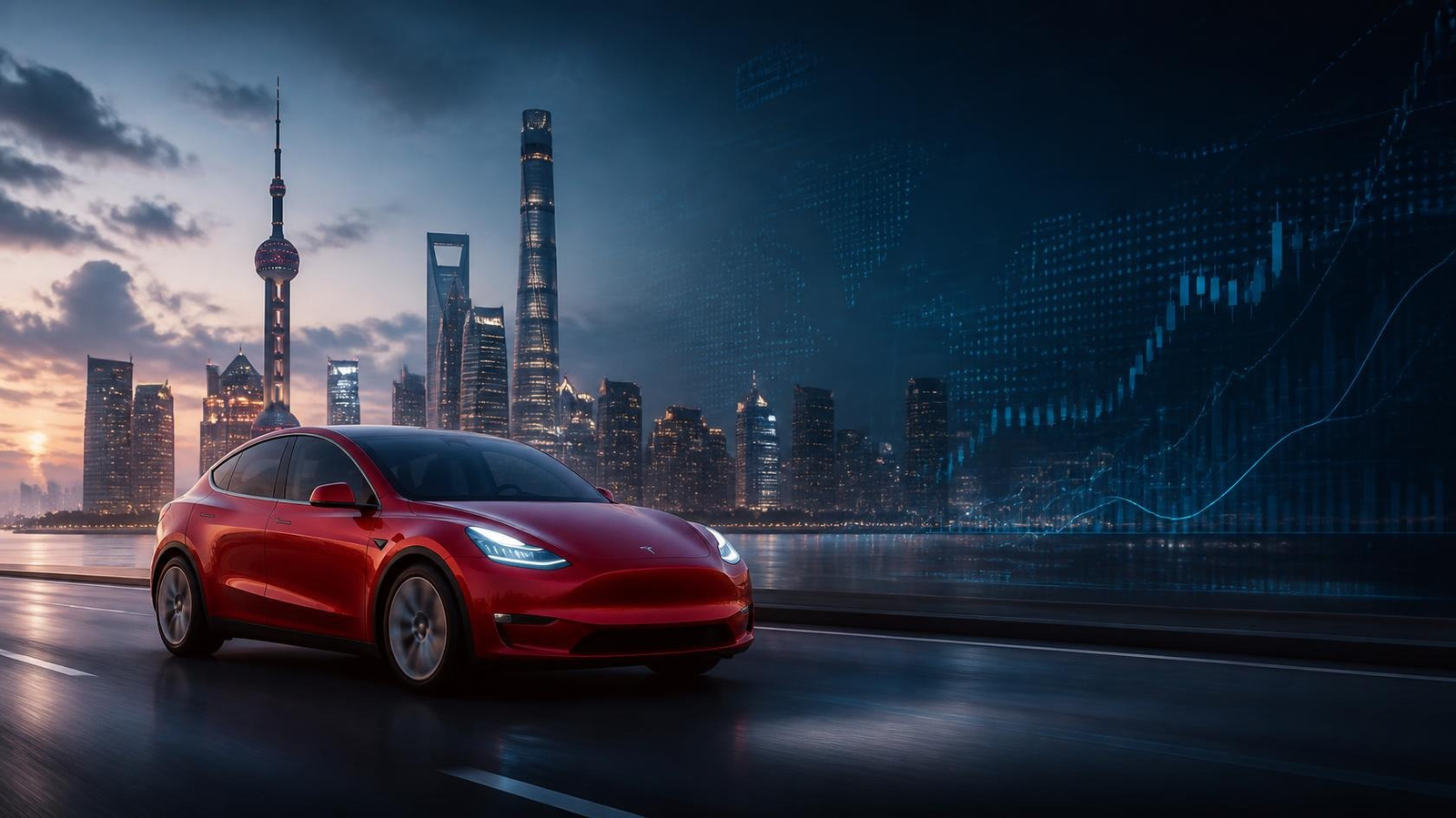
Tesla China Sale: Quick Answer
The Wall Street Journal reported that Tesla had explored options involving its China business as part of discussions that could make a future merger with SpaceX easier. Shortly after the report gained attention, Elon Musk rejected the claim, calling it “fake news.” As of September 7, 2026, there is still no confirmed announcement that Tesla plans to sell or separate its China operations.
The original report remains important because Tesla’s China business is a major part of its global manufacturing and sales strategy. Recent data also show that Tesla’s China-made vehicle sales continued to grow year over year in August, although the pace of growth slowed. This makes the question of Tesla’s long-term China strategy particularly relevant to investors and the broader EV industry.
In short, the Tesla China sale remains a reported possibility rather than a confirmed transaction. This article separates what was reported, what Musk denied, what Tesla has officially confirmed, and why the company’s China operations matter to any potential Tesla-SpaceX combination.
Tesla China Sale Rumors Put the Spotlight on Elon Musk’s Business Empire
A report suggesting Tesla might separate or sell its China business quickly became one of the biggest stories in the automotive and technology sectors. The report linked the alleged move to a possible future merger between Tesla and SpaceX, two companies led by Elon Musk that have reshaped industries ranging from electric vehicles to commercial spaceflight.
The report immediately attracted global attention because Tesla’s operations in China are far more than another regional business unit. The company’s Shanghai Gigafactory is a cornerstone of its global manufacturing network and has played a major role in Tesla’s international expansion.
However, before investors and industry observers had time to digest the report, Musk publicly pushed back. Responding on social media, he dismissed the story as “fake news,” leaving markets and readers trying to separate verified facts from speculation.
That raises several important questions.
Did Tesla actually consider restructuring its China business? Could a Tesla-SpaceX merger ever happen? And why would China become such a significant factor in any future corporate deal?
This article examines what has been reported, what has been denied, and why the story matters to investors, the electric vehicle industry, and the broader technology sector.
Update — September 7, 2026
Tesla’s China business remains a major focus for investors, but there is still no confirmed announcement that Tesla plans to sell or separate its China operations. Recent sales data provide important context: Tesla’s China-made vehicle sales increased 3.6% year over year in August to 86,166 vehicles, marking a 10th consecutive month of growth, according to Reuters. However, August growth was significantly slower than the 38% year-over-year increase recorded in July.
The latest figures highlight why Tesla’s China strategy remains important. The Shanghai factory continues to serve both the Chinese market and international markets through exports, while Tesla faces increasing competition from Chinese EV manufacturers.
The September 2026 update does not change the status of the original report: there is still no confirmed announcement that Tesla is selling or separating its China operations. The reported Tesla-China restructuring and potential Tesla-SpaceX combination therefore remain matters of reported discussions and speculation rather than a confirmed transaction.
What Sparked the Tesla China Sale Rumors?
Strategic discussions often explore multiple business scenarios before any official decision is made.
The Tesla China sale rumors began with a July 2026 report from The Wall Street Journal suggesting that Tesla had explored several options for its China operations. The report linked those discussions to the broader possibility of a future Tesla-SpaceX combination and described potential scenarios including selling the China business, spinning it off into a separate entity, or restructuring the operations.
The report cited people familiar with the matter, but Tesla did not publicly announce plans to sell or separate its China business.
The story attracted immediate attention because it involved Tesla, Elon Musk, China, and SpaceX. Investors and analysts began debating whether separating the China operations could make a future corporate combination easier and what such a move could mean for Tesla’s global manufacturing and sales strategy.
However, reported strategic discussions should not be treated as evidence that a transaction is underway. Large companies routinely evaluate different corporate, financial, and operational scenarios that may never progress beyond internal discussions.
Importantly, Elon Musk subsequently rejected the reported plans, calling the story “fake news.” As of September 7, 2026, there is still no confirmed announcement that Tesla intends to sell or separate its China operations.
Why Did the Story Gain So Much Attention?
Few business stories combine as many globally recognized names as this one.
Tesla remains one of the world’s most valuable automakers, while SpaceX has become a major force in commercial spaceflight and satellite technology. Both companies are closely associated with Elon Musk, whose public comments can have a significant effect on investor and market sentiment.
The suggestion that Tesla might reshape its China business also touches on broader issues beyond corporate strategy, including international trade, geopolitical tensions, supply chains, manufacturing, and government regulation.
For investors, the reported discussion raised questions about the future relationship between Musk’s companies and whether a potential Tesla-SpaceX combination could affect Tesla’s global operations. It also highlighted how China’s importance to Tesla could become a major consideration in any future corporate restructuring.
However, the reported scenarios should not be interpreted as evidence that a transaction is underway. Musk denied the report, and as of September 7, 2026, there is still no confirmed announcement that Tesla plans to sell or separate its China operations.
Elon Musk Denies the Report
As speculation continued to grow, Elon Musk responded directly to the report, dismissing the claim that Tesla planned to sell or separate its China business.
Musk described the report as “fake news,” directly rejecting the reported plans.
His response shifted the conversation. Instead of treating the reported scenarios as an established corporate decision, attention turned to whether the original reporting reflected preliminary internal discussions, misunderstood information, or an inaccurate account of Tesla’s plans.
Importantly, Tesla has not announced a sale, spin-off, or restructuring of its China operations.
That distinction matters.
Corporate strategy discussions can remain confidential, and companies regularly evaluate hypothetical scenarios without implementing them. A reported possibility is therefore not the same as an approved corporate action.
Unless Tesla makes a formal announcement through its official channels, any reported restructuring of its China business should be treated as unconfirmed.
What Has Tesla Officially Confirmed?
As of September 7, 2026, Tesla has not confirmed that it plans to:
- Sell its China business
- Spin off its China operations
- Separate the Shanghai Gigafactory into another company
- Pursue a merger with SpaceX
Investors should therefore distinguish between media reports, executive responses, and official corporate announcements.
For the Tesla China sale story specifically, the confirmed facts are:
- The Wall Street Journal reported that Tesla had explored options involving its China business.
- Elon Musk denied the report, describing it as “fake news.”
- Tesla has not announced a sale, spin-off, or separation of its China operations.
- Tesla’s China-made vehicle sales increased 3.6% year over year in August 2026, according to Reuters, providing additional context about the continuing importance of the company’s China operations.
The story therefore remains a developing issue rather than a confirmed corporate transaction. Unless Tesla formally announces a restructuring, sale, or separation, reports about a Tesla China sale should continue to be treated as unconfirmed.ation could emerge through future company statements or regulatory filings.
Why Tesla’s China Business Is So Important
To understand why the Tesla China sale report attracted worldwide attention, it is important to recognize the role China plays in Tesla’s global business.
Tesla’s presence in China extends far beyond vehicle sales. The country is home to Gigafactory Shanghai, one of Tesla’s key manufacturing facilities and an important part of the company’s international production and export network.
China is also one of the world’s largest electric vehicle markets, making Tesla’s position there strategically important as competition from domestic EV manufacturers continues to intensify. Recent Reuters data showed that Tesla’s China-made vehicle sales rose 3.6% year over year in August 2026 to 86,166 vehicles, although growth slowed compared with July. More than half of Shanghai’s production was exported in the second quarter, according to the same report.
This combination of manufacturing capacity, domestic demand, exports, and competitive pressure explains why any reported change to Tesla’s China operations can attract significant attention from investors, regulators, and the automotive industry.
It also explains why the reported possibility of selling, spinning off, or restructuring the China business became an important part of the broader discussion surrounding a potential Tesla-SpaceX combination.
Gigafactory Shanghai: Tesla’s Manufacturing Powerhouse
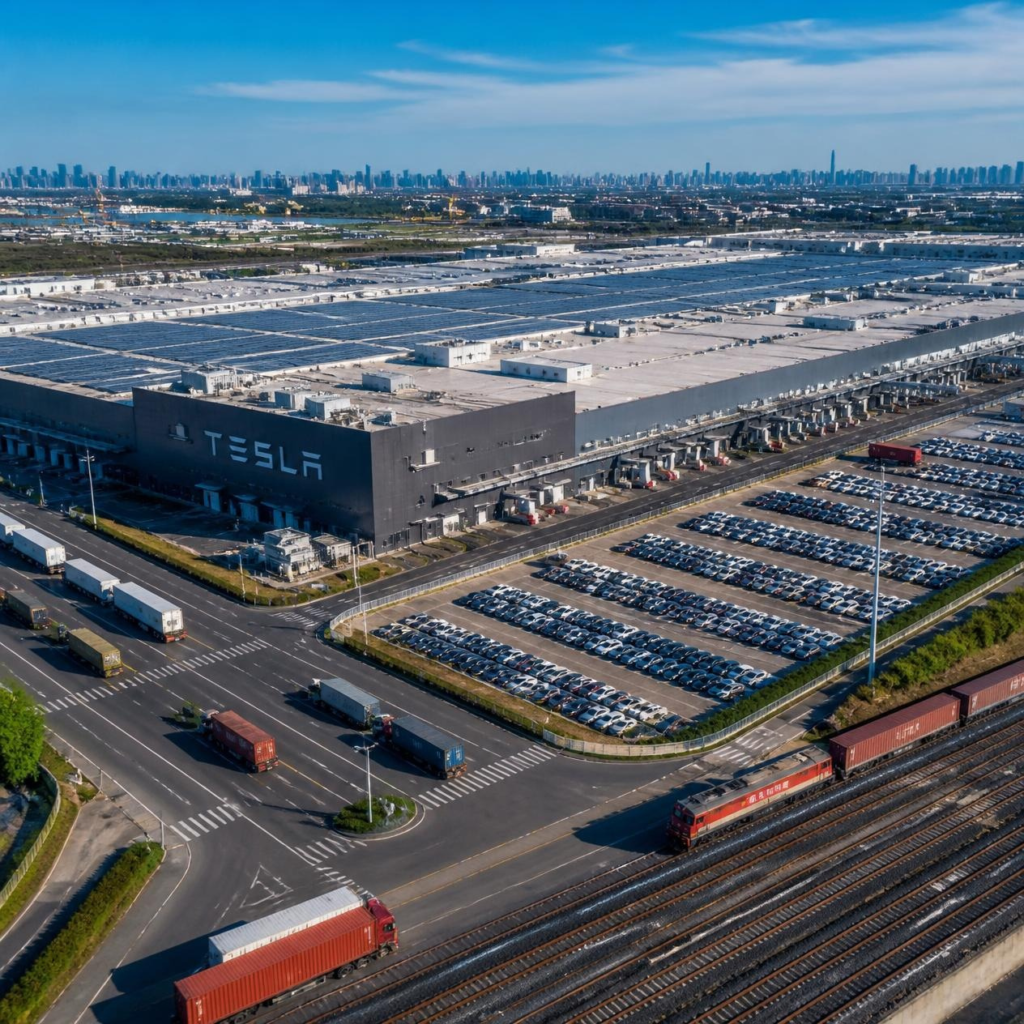
Shanghai remains one of Tesla’s most important global manufacturing hubs.
Opened in 2019, Gigafactory Shanghai became a major part of Tesla’s international production network. The facility manufactures vehicles for the Chinese market and supplies export markets, making it strategically important to Tesla’s global delivery and supply-chain operations.
Several factors make the Shanghai facility especially valuable:
- High-volume vehicle production
- Established local supplier network
- Access to one of the world’s largest EV markets
- Strategic location for exports to international markets
- Integration into Tesla’s wider global manufacturing network
The factory’s role also helps explain why reports about a potential Tesla China sale or restructuring attracted so much attention. Any major change involving Shanghai could affect Tesla’s manufacturing capacity, exports, supply chain, and competitive position in the global electric vehicle market.
As of September 2026, there is no confirmed announcement that Tesla plans to sell or separate Gigafactory Shanghai from its wider business. has also strengthened Tesla’s position in the increasingly competitive global electric vehicle market.
China’s Role in Tesla’s Long-Term Growth
China is one of the world’s largest automotive markets and a major center of electric vehicle production and sales.
For Tesla, the country represents both a manufacturing base and a significant customer market. Gigafactory Shanghai also supports Tesla’s international supply and export network, making China’s role important beyond domestic vehicle deliveries.
At the same time, competition in China’s EV market has intensified as domestic manufacturers continue introducing new models, expanding technology offerings, and competing aggressively on price.
This creates a complex strategic environment for Tesla. The company benefits from its established manufacturing presence in China while also facing increasing competitive pressure in one of the world’s most important EV markets.
Against that backdrop, Tesla’s China operations remain strategically significant. That helps explain why any credible report about a potential sale, spin-off, or restructuring can attract substantial attention from investors and the automotive industry.
Could Tesla and SpaceX Actually Merge?
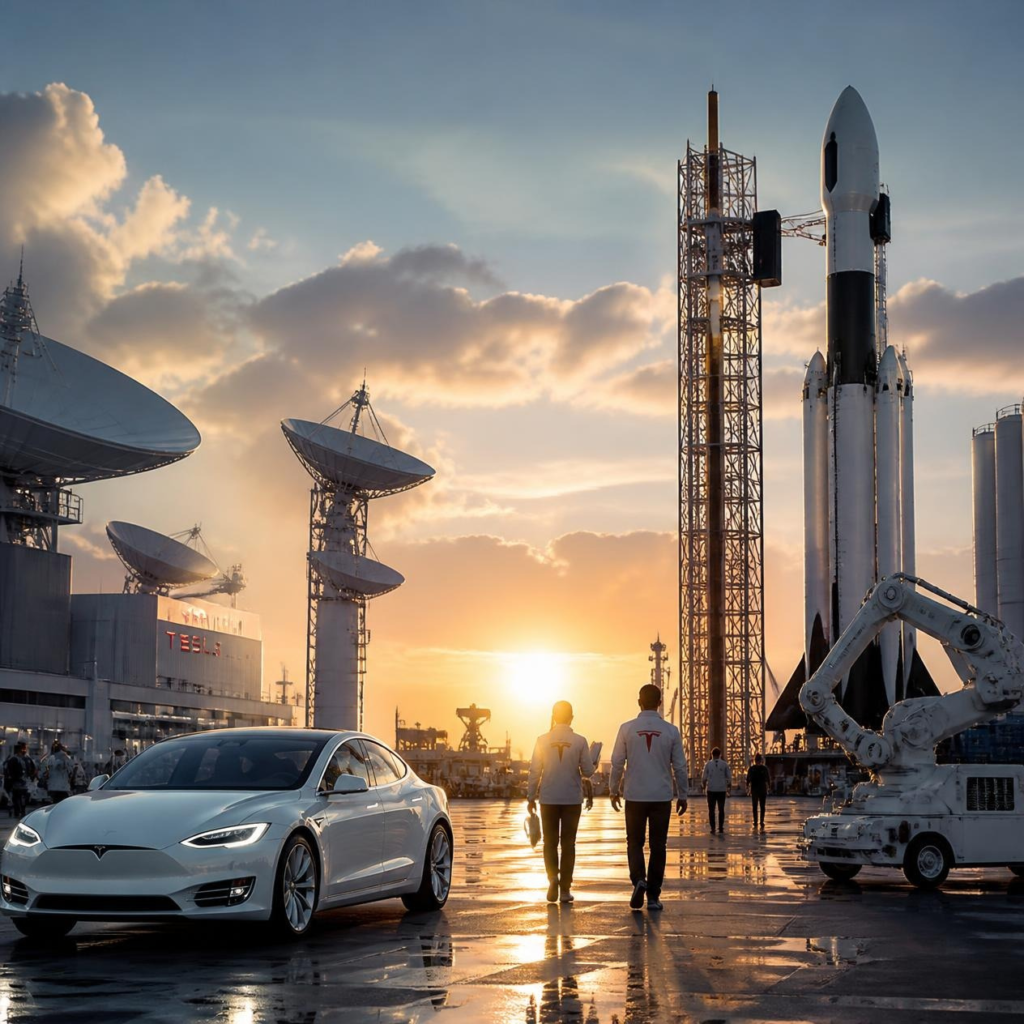
Tesla and SpaceX operate in very different industries, but both are closely associated with Elon Musk and have become prominent examples of technology-driven businesses.
At first glance, the idea of Tesla and SpaceX joining forces may sound surprising. Tesla develops electric vehicles and energy products, while SpaceX develops rockets, spacecraft, and satellite technology. Both companies have also pursued ambitious engineering and long-term technology goals.
Interest in a possible combination increased after Musk discussed growing areas of overlap between his companies during a Tesla earnings call. Those comments attracted attention because they suggested that the companies could have increasing technological or strategic connections. However, they did not amount to an announced merger proposal.
A Tesla-SpaceX merger would also involve substantial corporate, financial, regulatory, and shareholder considerations. The two companies have different ownership structures, operations, businesses, and regulatory environments.
As of September 7, 2026, neither Tesla nor SpaceX has announced a plan to merge. There is no confirmed transaction, shareholder vote, or regulatory filing establishing that a merger is underway.
For now, a Tesla-SpaceX combination remains speculation rather than a confirmed corporate plan. The original Tesla China report is therefore best understood as part of a broader discussion about possible strategic scenarios, not evidence that a merger is actually taking place.
Why Some Analysts Think a Merger Could Make Sense
A potential Tesla-SpaceX combination is speculative, but there are areas of technology and strategic interest that could make the idea attractive in theory.
Artificial Intelligence
Tesla continues to invest heavily in artificial intelligence, particularly in autonomous driving, robotics, and its broader AI infrastructure. SpaceX also uses sophisticated software, automation, and AI-related technologies across spacecraft operations, satellite systems, and mission planning.
These overlapping technology interests have fueled speculation that closer cooperation between the companies could create opportunities for shared research, engineering expertise, or infrastructure.
However, technological overlap does not mean a merger is necessary or planned. Tesla and SpaceX remain separate companies with different businesses, shareholders, regulatory requirements, and operating models.
These developments also reflect broader artificial intelligence trends shaping business, as companies across industries increasingly use AI for automation, decision-making, and productivity.
Any potential benefit from combining resources would therefore remain hypothetical unless Tesla and SpaceX formally announce a transaction or partnership.
Manufacturing Expertise
Both Tesla and SpaceX have developed highly specialized manufacturing systems and have focused on improving production efficiency.
Tesla has invested heavily in factory automation and large-scale vehicle production, while SpaceX has developed in-house manufacturing and engineering processes for rockets and spacecraft.
The companies’ manufacturing expertise could theoretically create opportunities for knowledge sharing or engineering collaboration. However, there is no confirmed plan for the companies to combine their manufacturing operations.
Robotics and Automation
Automation is important to both companies, although their applications are different.
Tesla is developing robotics for vehicle manufacturing and consumer applications, including its Optimus project. SpaceX uses automated and highly engineered systems across rocket production, spacecraft operations, and launch activities.
These overlapping engineering capabilities have contributed to speculation about potential collaboration, but technological similarities alone do not indicate that a merger is planned.
Satellite Connectivity
SpaceX’s Starlink satellite network has also fueled speculation about possible future connections with Tesla’s products.
Tesla has not broadly integrated Starlink directly into its vehicles. A future collaboration could theoretically explore connectivity options for vehicles operating in remote areas, but no official Tesla or SpaceX product roadmap has confirmed such a plan.
For now, satellite connectivity remains a potential area of interest rather than evidence of an announced Tesla-SpaceX partnership or merger.
Why a Tesla-SpaceX Merger Would Be Extremely Difficult
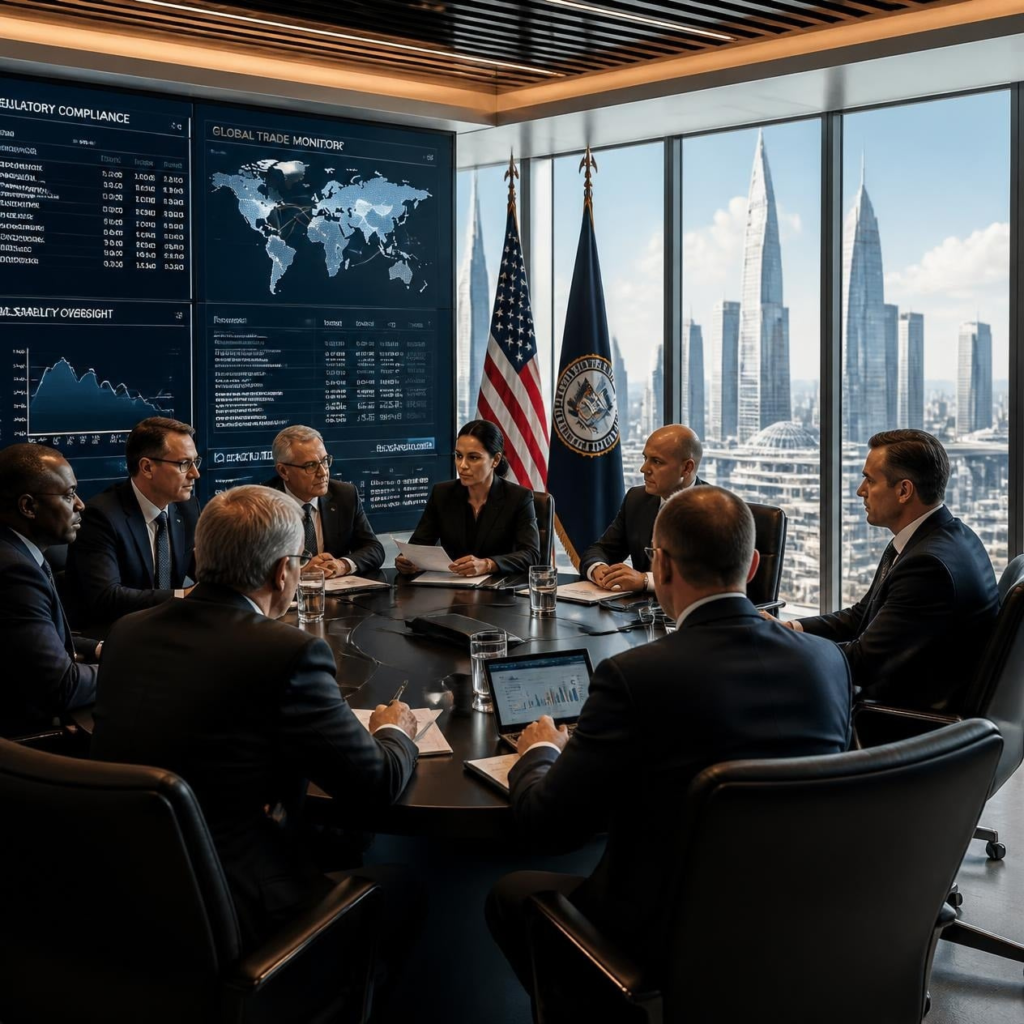
Major corporate transactions can involve extensive financial, legal, regulatory, and shareholder review.
Even if Tesla and SpaceX identified strategic benefits in working more closely together, combining the two companies would present significant challenges. Their ownership structures, industries, regulatory environments, and business relationships are very different.
Different Ownership Structures
Tesla is a publicly traded company with shareholders around the world.
SpaceX is privately held, with ownership distributed among private investors and other stakeholders.
Combining those structures would require complex financial and legal arrangements and could involve significant shareholder, valuation, governance, and regulatory considerations.
Regulatory Scrutiny
A transaction involving Tesla and SpaceX could attract substantial regulatory attention because the companies operate in strategically important industries.
Depending on the structure of any proposed transaction, regulators could examine issues such as:
- Competition and antitrust concerns
- Corporate governance
- Investor protections
- Financial disclosures
- National security considerations
- Foreign business and technology exposure
The scope and duration of any review would depend on the specific structure of a transaction and the regulators involved.
SpaceX’s Government Contracts
SpaceX has significant relationships with U.S. government agencies and provides launch and space-related services for government programs.
Those relationships could become an important consideration in any future transaction involving SpaceX, particularly because its business includes sensitive aerospace and national security-related activities.
A transaction involving Tesla’s substantial operations in China could also receive additional scrutiny because of the different regulatory and geopolitical considerations surrounding the two businesses.
However, there is currently no announced Tesla-SpaceX merger for regulators or shareholders to review. These considerations describe potential challenges only if such a transaction were ever formally proposed.ose contracts.
Why China Is at the Center of the Debate
China plays a critical role in Tesla’s global business.
Gigafactory Shanghai is a major Tesla production hub and supports both Chinese-market deliveries and exports to international markets. This makes Tesla’s China operations strategically important to the company’s wider manufacturing and supply-chain network.
If Tesla were ever involved in a major corporate restructuring involving SpaceX, the relationship between Tesla’s China operations and SpaceX’s U.S. aerospace and national-security-related activities could become an important consideration for investors and policymakers.
That helps explain why reports about potentially separating Tesla’s China business attracted immediate attention.
However, no official restructuring has been announced, and there is currently no confirmed Tesla-SpaceX merger proposal for regulators to review.
What Would Regulators Examine?
If Tesla and SpaceX ever formally proposed a transaction, the regulatory review would depend on the structure and scope of the deal. Several areas could become relevant.
National Security
SpaceX provides launch and space-related services connected to U.S. government programs, including activities involving national security.
A future transaction could therefore receive scrutiny related to sensitive technologies, government contracts, ownership, and control.
The exact review process would depend on the proposed transaction and the government authorities involved.
Cross-Border Operations
Tesla’s substantial manufacturing and business operations in China could introduce additional considerations in any transaction involving SpaceX.
Potential areas of review could include:
- Supply chains
- Technology transfers
- Data governance
- Export controls
- Foreign investment considerations
- International trade regulations
These issues can become particularly important when companies operate across jurisdictions with different regulatory and geopolitical environments.
Competition and Antitrust
Tesla and SpaceX operate primarily in different industries, so a potential combination would not resemble a conventional merger between two direct competitors.
Nevertheless, regulators could examine whether a proposed transaction would affect competition, market access, technology markets, or consumer interests.
Any conclusions would depend on the actual structure and terms of a transaction rather than the speculation surrounding the current Tesla China report.
What Does This Mean for Tesla Investors?
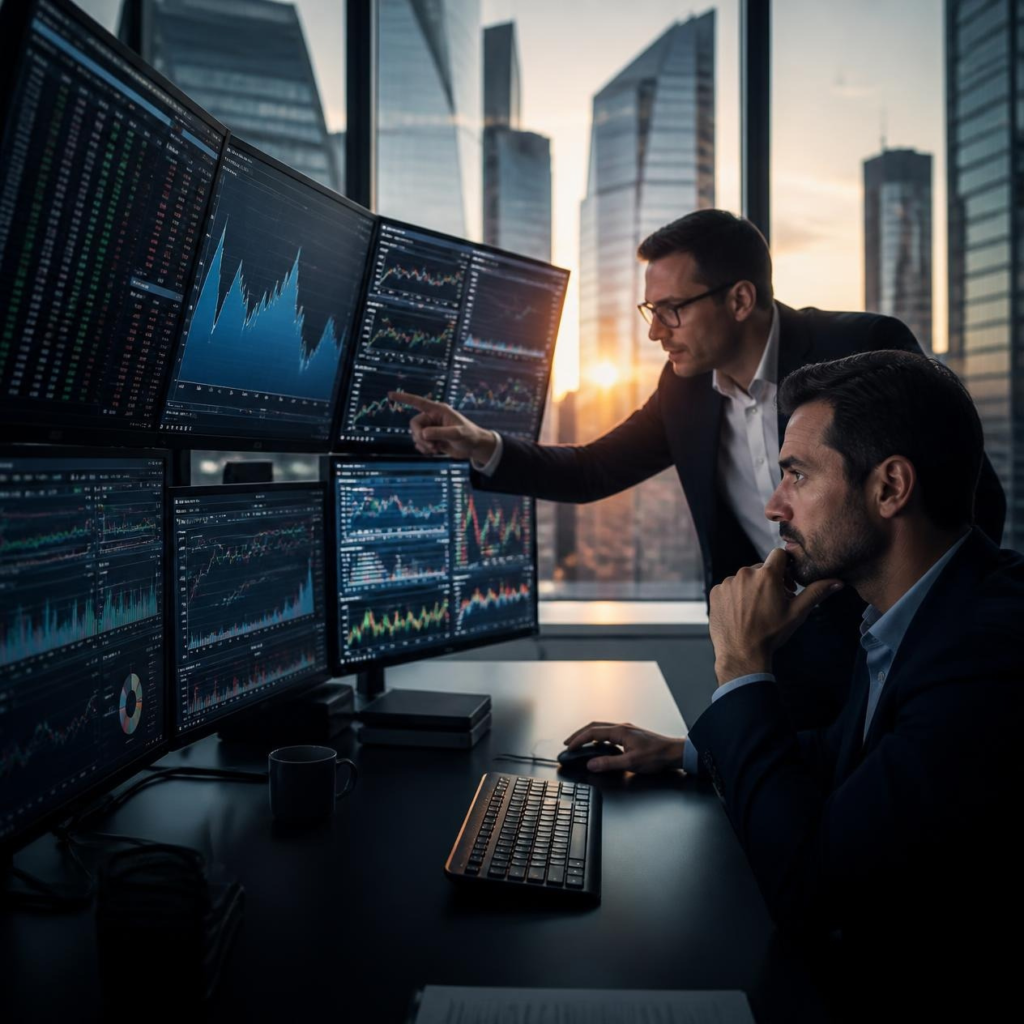
Investors closely monitor official company announcements, financial results, regulatory filings, and verified market developments.
At this stage, there is no confirmed evidence that Tesla has officially changed its China business strategy because of the reported sale or restructuring discussions.
Investors should therefore focus on developments that can be independently verified, including:
- Official Tesla announcements
- Regulatory filings
- Earnings reports and calls
- Statements from company executives
- Vehicle delivery and production data
- Verified reporting from reputable news organizations
Recent China sales data provide useful context. Tesla’s China-made vehicle sales increased year over year in August 2026, although the pace of growth slowed from the previous month. That makes the company’s ongoing performance in China more relevant to investors than speculation about an unconfirmed corporate transaction.
Until Tesla announces a formal change, the reported China sale or restructuring should not be treated as confirmed corporate action.
Could Tesla Stock Be Affected?
Market-moving headlines can influence investor sentiment in the short term, particularly when they involve Elon Musk or major strategic decisions.
However, investors should be cautious about making investment decisions based solely on reports that remain disputed or unconfirmed.
For longer-term analysis, investors typically examine measurable business fundamentals such as:
- Vehicle deliveries
- Revenue and financial performance
- Profit margins
- Product launches
- Autonomous driving development
- Energy storage growth
- China and international market performance
These factors provide a more substantive basis for evaluating Tesla’s business and valuation than unverified merger speculation.
The Tesla-SpaceX merger remains unconfirmed, and the Tesla China sale report has not resulted in an announced transaction as of September 7, 2026.
Industry Reaction
The reported Tesla China discussions have sparked debate across the automotive, technology, and investment communities.
Some analysts and industry observers have focused on the potential strategic connections between Musk’s companies, particularly in areas such as artificial intelligence, advanced manufacturing, robotics, engineering, and infrastructure.
Others have emphasized the significant legal, financial, ownership, and regulatory challenges that would make any Tesla-SpaceX combination highly complex.
It is also important to distinguish reported internal discussions from confirmed corporate decisions. Large companies can evaluate multiple strategic scenarios without ultimately pursuing them.
For investors, the most important developments to monitor are therefore official company announcements, regulatory filings, earnings disclosures, and verified reporting rather than speculation alone.
Timeline of Key Events
| Date / Event | Details |
|---|---|
| Tesla earnings call | Elon Musk discussed increasing areas of overlap between Tesla and SpaceX but did not announce a merger. |
| Following the earnings call | Public speculation about a closer relationship between the companies increased. |
| July 2026: The Wall Street Journal report | The Wall Street Journal reported that Tesla had explored options involving its China business, including scenarios that could facilitate a potential Tesla-SpaceX combination. |
| Reuters coverage | Reuters reported on the story and highlighted potential regulatory and geopolitical considerations surrounding a possible restructuring. |
| Elon Musk’s response | Musk rejected the reported plans and described the story as “fake news.” |
| August 2026 China sales data | Tesla’s China-made vehicle sales continued to grow year over year, although the pace of growth slowed compared with July. |
| September 7, 2026: Current status | Tesla has not announced a sale or separation of its China operations, and neither Tesla nor SpaceX has announced a merger. |
What’s Confirmed and What’s Still Unconfirmed
| Statement | Status |
|---|---|
| The Wall Street Journal reported that Tesla explored options involving its China business | Reported, not officially confirmed by Tesla |
| Elon Musk called the report “fake news” | Confirmed |
| Tesla announced a sale of its China business | No |
| Tesla announced a spin-off or separation of its China operations | No |
| Tesla announced a merger with SpaceX | No |
| Gigafactory Shanghai remains an important part of Tesla’s manufacturing and export network | Confirmed |
| Tesla’s China-made vehicle sales continued to grow year over year in August 2026 | Confirmed by reported August sales data |
Bottom line: The Tesla China sale remains an unconfirmed reported scenario, while a Tesla-SpaceX merger also remains unannounced. The distinction between what was reported, what Musk denied, and what Tesla has actually confirmed is essential when evaluating the story.
EEZYPOST Expert Insight: What the Tesla China Rumor Really Reveals
The Tesla China sale report matters beyond the question of whether the reported scenario ultimately happens. It highlights how closely investors are watching the relationship between Tesla’s global operations, Elon Musk’s broader business interests, and the strategic direction of his technology companies.
Tesla and SpaceX operate in very different industries, but both are associated with major technology initiatives involving advanced engineering, automation, artificial intelligence, infrastructure, and large-scale technological development.
That overlap helps explain why speculation about a potential Tesla-SpaceX combination can attract significant attention. However, technological overlap does not by itself mean that a merger is practical, planned, or imminent.
Any future combination would have to address substantially more than potential technological benefits. Ownership structures, corporate governance, shareholder interests, regulatory review, government contracts, national-security considerations, international operations, and cross-border business relationships could all become important factors.
The Tesla China discussion also demonstrates why investors should distinguish between media reports, executive statements, and officially confirmed corporate actions. In this case, the reported China restructuring scenario was denied by Elon Musk, and Tesla has not announced a sale or separation of its China operations.
EEZYPOST Takeaway
The key lesson is straightforward:
Market-moving reports can generate excitement and speculation, but official company announcements, regulatory filings, and verified business results are what establish whether a major corporate change is actually taking place.
As of September 7, 2026, neither a Tesla China sale or separation nor a Tesla-SpaceX merger has been officially announced.
Frequently Asked Questions (FAQs)
Is Tesla selling its China business?
No. Tesla has not officially announced a sale or separation of its China business. The Wall Street Journal reported that Tesla had explored options involving its China operations, but Elon Musk rejected the report and called it “fake news.” As of September 7, 2026, no transaction has been announced.
Why is Tesla’s China business important?
Tesla’s China operations are strategically important because China is a major electric vehicle market and is home to Gigafactory Shanghai. The facility produces vehicles for the Chinese market and international export markets, making it an important part of Tesla’s global manufacturing and supply network.
Did Elon Musk confirm a Tesla-SpaceX merger?
No. Musk has discussed areas of increasing overlap between Tesla and SpaceX, but neither company has announced an official merger plan, transaction, or shareholder vote.
Could Tesla and SpaceX merge in the future?
A Tesla-SpaceX combination is theoretically possible, but there is no confirmed merger plan at present. Such a transaction could involve complex issues related to ownership, corporate governance, regulatory review, government contracts, national security, financial terms, and shareholder interests.
How would a Tesla-SpaceX merger affect investors?
There is currently no confirmed transaction for investors to evaluate. If a formal proposal were announced, its potential impact would depend on factors such as the deal structure, valuation, financing, regulatory approval, shareholder decisions, and how the two businesses would be combined.
What is the Tesla Shanghai Gigafactory?
Gigafactory Shanghai is one of Tesla’s major manufacturing facilities and an important part of its global production network. It produces electric vehicles for Chinese customers and international markets, including vehicles exported from China.
Should Tesla investors worry about the China rumors?
Investors should distinguish between reported possibilities and confirmed corporate actions. Tesla has not announced a plan to sell or separate its China operations. For a longer-term assessment, investors can monitor Tesla’s financial results, vehicle production and deliveries, China sales, regulatory filings, and official company announcements rather than relying on unconfirmed reports alone.
Conclusion: Tesla China Sale Rumors Highlight Bigger Questions About Musk’s Future Strategy
The Tesla China sale rumors have generated significant attention across the business, automotive, and technology sectors, but the key facts remain straightforward.
The Wall Street Journal reported that Tesla had explored options involving its China business amid broader speculation about a potential Tesla-SpaceX combination. Elon Musk rejected the report and called it “fake news,” while Tesla has not announced plans to sell, spin off, separate, or restructure its China operations.
What is clear is that Tesla’s China business remains strategically important. Gigafactory Shanghai supports both domestic deliveries and international exports, while China’s competitive EV market continues to play an important role in Tesla’s global strategy.
The story also highlights a broader question about how Musk’s companies could interact in the future. Tesla and SpaceX have different businesses, ownership structures, regulatory environments, and strategic priorities. Any formal combination would therefore require far more than technological or operational overlap.
For investors and readers, the most important distinction is between reported possibilities and confirmed corporate decisions. Until Tesla or SpaceX makes an official announcement, a Tesla China sale or Tesla-SpaceX merger should not be treated as an established transaction.
EEZYPOST will continue tracking verified developments involving Tesla, SpaceX, artificial intelligence, robotics, and major technology companies, bringing readers the latest business and technology updates as new information emerges.

Zahid Mehmood
Here is a great and professional review in English:
> “Eezypost offers an amazing and highly reliable service! Their overall process and delivery system are extremely fast and professional. I am completely satisfied with their service. Highly recommended!”